Feeling constantly tired, gaining weight without any major lifestyle changes, experiencing unusual hair fall, or noticing a rapid heartbeat? These symptoms may seem unrelated, but they could indicate a thyroid disorder.
The thyroid gland plays a critical role in regulating metabolism, energy production, body temperature, heart rate, and hormonal balance. When this gland produces too much or too little thyroid hormone, it can disrupt several essential functions in the body.
Thyroid symptoms in women and men can vary depending on the type of disorder, age, hormonal changes, and overall health. Women may experience menstrual irregularities, fertility concerns, or changes during pregnancy, while men may develop muscle weakness, reduced sexual desire, or unexplained changes in energy levels.
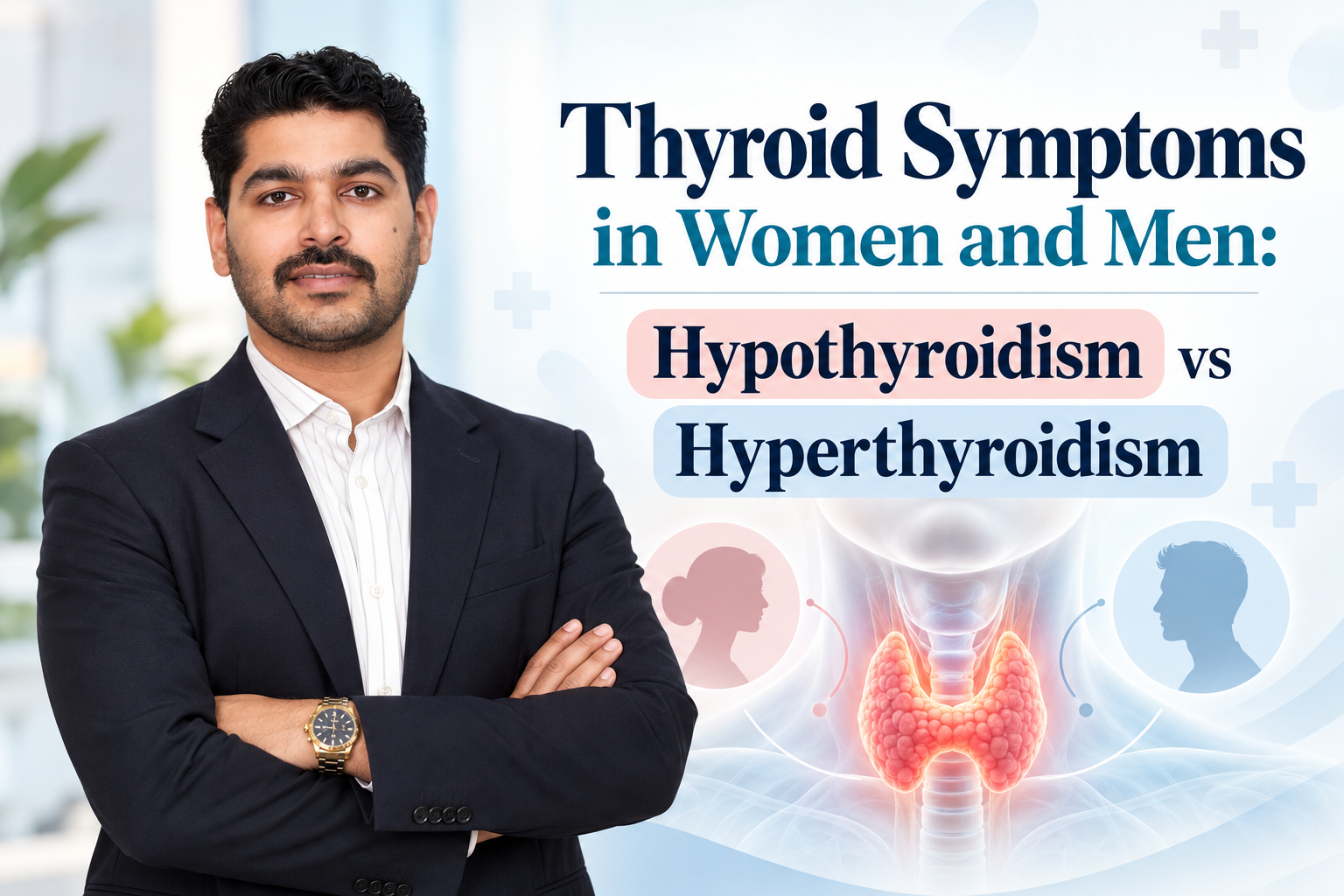
Two of the most common thyroid conditions are hypothyroidism (underactive thyroid) and hyperthyroidism (overactive thyroid). Although both affect the same gland, their symptoms, causes, and treatments differ significantly.
Understanding the early warning signs can help you seek timely medical care and prevent complications.
At Ikara Clinic, Rohtak, Dr. Mohit Malhotra, the best general physician in Rohtak, provides medical evaluation, treatment guidance, and ongoing monitoring for patients experiencing thyroid-related health concerns. ikarainfo.com+1
What Is the Thyroid Gland and Why Is It Important?
The thyroid is a small, butterfly-shaped endocrine gland located at the front of the neck, just below the Adam’s apple.
Despite its small size, it influences numerous functions throughout the body.
The thyroid produces two main hormones:
- Thyroxine (T4): The primary hormone released by the thyroid gland.
- Triiodothyronine (T3): The more biologically active hormone that helps regulate metabolism and energy usage.
The pituitary gland, located in the brain, produces thyroid-stimulating hormone (TSH), which signals the thyroid to produce hormones.
Together, these hormones influence heart rate, digestion, body temperature, cholesterol metabolism, muscle function, and physical and mental energy.
When thyroid hormone levels become abnormal, symptoms can develop gradually and may be confused with stress, ageing, nutritional deficiencies, or other medical conditions.
Hypothyroidism vs Hyperthyroidism: What Is the Difference?
Hypothyroidism develops when the thyroid gland does not produce enough hormones to meet the body’s requirements. As a result, many metabolic processes slow down.
Hyperthyroidism occurs when the thyroid produces excessive hormones, causing many bodily functions to become unusually active.
Hypothyroidism vs Hyperthyroidism Comparison Chart
| Feature | Hypothyroidism | Hyperthyroidism |
|---|---|---|
| Thyroid activity | Underactive | Overactive |
| Hormone production | Insufficient | Excessive |
| Weight | Often weight gain | Often weight loss |
| Heart rate | May become slower | Often faster |
| Energy | Fatigue and sluggishness | Restlessness and fatigue |
| Temperature sensitivity | Cold intolerance | Heat intolerance |
| Skin | Dry and rough | Warm and sometimes moist |
| Hair | Thinning, dry hair | Hair thinning |
| Bowel movements | Constipation | Frequent bowel movements |
| Mood | Low mood, slowed thinking | Anxiety, irritability |
| Menstruation | Heavy or irregular periods | Light or irregular periods |
| Typical TSH pattern | High in primary hypothyroidism | Low in primary hyperthyroidism |
These patterns are common, but they are not universal. Some patients experience overlapping symptoms, making laboratory testing essential for accurate diagnosis. NIDDK+2
Early Symptoms of Hypothyroidism (Underactive Thyroid)
Hypothyroidism often develops slowly, and early symptoms may be mild enough to go unnoticed for months.
1. Persistent Fatigue and Low Energy
Feeling tired even after adequate sleep is one of the common symptoms of hypothyroidism.
People may experience reduced stamina, daytime sleepiness, difficulty concentrating, and a general lack of motivation.
2. Unexplained Weight Gain
An underactive thyroid can reduce metabolic activity and contribute to weight gain, partly through fluid retention.
However, significant weight gain should not automatically be attributed to thyroid disease, as dietary habits, physical activity, and other metabolic conditions may also contribute.
3. Increased Sensitivity to Cold
People with hypothyroidism may feel unusually cold even when others are comfortable.
Cold hands, cold feet, and difficulty tolerating air-conditioned environments can occur.
4. Hair Fall and Dry Skin
Thyroid hormone deficiency can affect hair follicles and skin health.
Common changes include thinning hair, increased hair shedding, dry skin, brittle nails, and changes in hair texture.
5. Constipation and Slow Digestion
Reduced thyroid hormone activity may slow intestinal movement, leading to constipation, bloating, and digestive discomfort.
6. Depression and Brain Fog
Hypothyroidism may affect mental well-being, causing poor memory, difficulty focusing, low mood, and slower thinking.
These symptoms are not specific to thyroid disease and should be assessed in the context of other possible causes.
7. Muscle Pain and Joint Stiffness
Some patients experience muscle cramps, weakness, stiffness, and unexplained body aches.
If you notice several of these symptoms together, consulting a physician for a thyroid assessment may help determine whether thyroid dysfunction is responsible.
Early Symptoms of Hyperthyroidism (Overactive Thyroid)
Hyperthyroidism causes excessive thyroid hormone activity, accelerating several physiological processes.
1. Unexplained Weight Loss
Losing weight despite eating normally or having an increased appetite may be a warning sign.
Excess thyroid hormones increase the body’s energy expenditure.
2. Rapid or Irregular Heartbeat
Hyperthyroidism can cause palpitations, a racing heartbeat, or an irregular heart rhythm.
Persistent palpitations deserve medical assessment because untreated thyroid disease can increase the risk of cardiac complications.
3. Excessive Sweating and Heat Intolerance
People with hyperthyroidism may feel unusually hot, sweat more than normal, and find warm weather uncomfortable.
4. Anxiety and Nervousness
An overactive thyroid can contribute to restlessness, irritability, emotional fluctuations, and difficulty relaxing.
5. Hand Tremors
Fine shaking of the hands, particularly when holding an object or extending the arms, may occur.
6. Difficulty Sleeping
Patients may struggle to fall asleep or experience disturbed sleep because of excessive metabolic activity and nervous system stimulation.
7. Frequent Bowel Movements
Some individuals experience increased bowel frequency, although this does not necessarily mean they have diarrhoea.
8. Muscle Weakness
Weakness affecting the shoulders, upper arms, hips, or thighs may make everyday activities more difficult.
Recognising these symptoms is important because uncontrolled hyperthyroidism can affect cardiovascular health, bone strength, and overall well-being. NIDDK
Thyroid Symptoms in Women: Signs That Should Not Be Ignored
Thyroid disorders are more common in women than men. Hormonal changes associated with menstruation, pregnancy, and the postpartum period can make thyroid health particularly important.
Some thyroid symptoms in women may be mistaken for normal hormonal fluctuations, stress, or gynaecological concerns.
1. Irregular Menstrual Periods
Hypothyroidism may contribute to heavy, prolonged, or irregular menstrual bleeding.
Hyperthyroidism may lead to lighter periods, irregular cycles, or less frequent menstruation.
However, menstrual changes may also result from PCOS, stress, pregnancy, and other hormonal conditions.
2. Difficulty Getting Pregnant
Both an underactive and an overactive thyroid can interfere with normal reproductive function.
Thyroid dysfunction may affect ovulation and menstrual regularity, potentially making conception more difficult.
Women experiencing infertility may benefit from thyroid evaluation as part of a broader medical assessment.
3. Thyroid Problems During Pregnancy
Pregnancy increases the body’s thyroid hormone requirements.
Uncontrolled thyroid disease during pregnancy can affect maternal health and pregnancy outcomes. Women with known thyroid conditions should discuss medication requirements and monitoring with their healthcare professional before conception or as soon as pregnancy is confirmed.
4. Hair Thinning and Skin Changes
Women may notice excessive hair fall, reduced hair volume, dry skin, or changes in skin texture.
These symptoms may overlap with iron deficiency, nutritional problems, or changes after childbirth.
5. Mood Changes and Anxiety
Thyroid dysfunction may contribute to symptoms such as anxiety, irritability, depression, or difficulty concentrating.
6. Postpartum Thyroiditis
Some women develop thyroid inflammation during the first year after delivery.
Postpartum thyroiditis can cause a temporary hyperthyroid phase, followed by hypothyroidism in some cases.
Persistent exhaustion, unusual weight changes, palpitations, or mood symptoms after childbirth should not automatically be dismissed as normal postpartum changes.
Women planning pregnancy or experiencing these concerns can discuss thyroid testing and follow-up through thyroid disorder consultation at Ikara Clinic.
Thyroid Symptoms in Men: Common Warning Signs
Although thyroid disorders occur less frequently in men, they can significantly influence physical health, emotional well-being, and reproductive function.
Men may overlook symptoms because they resemble the effects of occupational stress, inadequate sleep, or ageing.
1. Reduced Muscle Strength
Both hypothyroidism and hyperthyroidism can affect muscle function.
Men may notice reduced exercise tolerance, difficulty lifting weights, muscle fatigue, or reduced endurance.
2. Low Sexual Desire
Thyroid hormone imbalance can affect sexual function and libido.
Some men may experience erectile difficulties or changes in sexual interest, although these problems can have several other medical and psychological causes.
3. Unexplained Weight Changes
Hypothyroidism can contribute to weight gain, whereas hyperthyroidism frequently causes weight loss.
Sudden or persistent weight changes should be medically evaluated, especially when accompanied by fatigue, palpitations, or digestive symptoms.
4. Hair Loss
Thyroid dysfunction can cause diffuse hair thinning in men.
However, male-pattern baldness is much more commonly related to genetic and hormonal factors rather than thyroid disease alone.
5. Heart Palpitations
Men with hyperthyroidism may experience increased heart rate, irregular heartbeat, or reduced exercise tolerance.
6. Concentration and Mood Problems
An underactive thyroid may cause slower thinking and low mood, while an overactive thyroid can cause anxiety, irritability, and restlessness.
Persistent symptoms warrant a medical assessment rather than self-treatment with supplements.
What Causes Hypothyroidism and Hyperthyroidism?
Understanding the underlying cause is important because different thyroid conditions require different treatments.
Common Causes of Hypothyroidism
Hashimoto’s thyroiditis: An autoimmune condition in which the immune system damages the thyroid gland. It is a common cause of hypothyroidism.
Iodine deficiency: Insufficient dietary iodine can impair thyroid hormone production, although iodine deficiency is not responsible for every case of hypothyroidism.
Previous thyroid surgery: Removing part or all of the thyroid gland can reduce hormone production.
Radioactive iodine treatment: Treatment previously given for hyperthyroidism may subsequently lead to hypothyroidism.
Certain medications: Medicines such as lithium and amiodarone can affect thyroid function.
Thyroid inflammation: Some inflammatory conditions may cause temporary or permanent thyroid hormone deficiency.
Common Causes of Hyperthyroidism
Graves’ disease: An autoimmune disorder that stimulates excessive thyroid hormone production.
Toxic thyroid nodules: Overactive nodules can produce thyroid hormones independently.
Thyroiditis: Inflammation may cause stored hormones to leak into the bloodstream, temporarily increasing circulating hormone levels.
Excessive iodine exposure: Certain iodine-containing supplements or medications can trigger hyperthyroidism in susceptible individuals.
Excess thyroid medication: Taking more thyroid hormone replacement than required may produce symptoms of an overactive thyroid.
An accurate diagnosis helps determine whether medication, observation, or another form of treatment is appropriate.
How Are Thyroid Disorders Diagnosed?
Thyroid disorders cannot be diagnosed reliably from symptoms alone.
A physician considers your medical history, examination findings, medications, family history, and laboratory results.
1. TSH (Thyroid-Stimulating Hormone) Test
The TSH test is commonly used as the initial investigation for suspected thyroid dysfunction.
In typical primary thyroid disease:
- High TSH may indicate hypothyroidism.
- Low TSH may indicate hyperthyroidism.
However, TSH interpretation depends on the clinical situation, and certain pituitary conditions can produce different patterns.
2. Free T4 Test
Free T4 measures the unbound form of thyroxine available to body tissues.
It helps determine the degree and type of thyroid dysfunction.
3. T3 Test
A T3 test may be useful when hyperthyroidism is suspected, particularly when TSH is low but free T4 remains within the reference range.
4. Thyroid Antibody Tests
Tests such as anti-TPO antibodies and TSH receptor antibodies can help identify autoimmune thyroid disorders when clinically appropriate.
5. Thyroid Ultrasound
An ultrasound may be recommended if a patient has a thyroid nodule, enlargement, or other structural abnormality.
It is not routinely necessary for everyone with an abnormal thyroid blood test.
At Ikara Clinic, Dr. Mohit Malhotra evaluates thyroid-related symptoms and recommends appropriate investigations and medical follow-up based on each patient’s clinical needs. NIDDK+1
Thyroid Treatment: Can Hypothyroidism and Hyperthyroidism Be Controlled?
Most thyroid disorders can be managed effectively with appropriate treatment and follow-up.
However, treatment differs depending on whether the thyroid is underactive or overactive.
Treatment for Hypothyroidism
The standard treatment for established hypothyroidism is thyroid hormone replacement, most commonly levothyroxine.
This medication replaces the hormone that the thyroid cannot produce adequately.
The dosage is individualised according to factors such as age, weight, cardiac health, pregnancy status, and blood test results.
Patients are generally advised to take levothyroxine consistently, commonly on an empty stomach with water, and to separate it from certain supplements such as calcium and iron.
TSH testing is often repeated approximately 6–8 weeks after starting or changing the dose, depending on clinical circumstances.
Some patients require lifelong treatment, whereas others with temporary thyroid dysfunction may not.
Treatment for Hyperthyroidism
Treatment depends on the cause and severity of the condition.
Common options include:
- Antithyroid medicines: Help reduce excessive thyroid hormone production.
- Beta-blockers: May temporarily relieve palpitations, tremors, and other symptoms.
- Radioactive iodine: May be used for selected causes of hyperthyroidism.
- Thyroid surgery: May be considered for certain thyroid nodules, large goitres, or other specific clinical indications.
Not every cause of hyperthyroidism requires antithyroid medication. For example, some forms of thyroiditis require a different management approach.
Patients should never start, discontinue, or adjust thyroid medication without medical guidance.
Diet and Lifestyle Tips for Better Thyroid Health
Lifestyle measures support overall health and treatment adherence, but they cannot replace prescribed treatment for thyroid dysfunction.
Maintain a Balanced Diet
Include appropriate portions of vegetables, fruits, whole grains, protein-rich foods, and healthy fats.
A balanced diet helps maintain nutritional health and supports general metabolic function.
Ensure Appropriate Iodine Intake
Iodine is essential for thyroid hormone production.
Using iodised salt in ordinary dietary amounts generally helps support adequate intake. However, taking high-dose iodine supplements without medical advice can worsen certain thyroid disorders.
Pay Attention to Selenium and Other Nutrients
Selenium, iron, zinc, and other nutrients contribute to normal physiological functions, including thyroid health.
Routine high-dose supplementation is not recommended unless a deficiency or specific medical need has been established.
Exercise Regularly
Regular physical activity can improve general fitness, weight management, sleep, and emotional well-being.
People with uncontrolled hyperthyroidism, significant palpitations, or heart-related symptoms should seek medical advice before vigorous exercise.
Prioritise Sleep and Stress Management
Consistent sleep habits and stress management can help improve overall well-being, although these measures do not directly correct abnormal thyroid hormone levels.
Follow Your Medication Schedule
Take prescribed medication consistently and attend scheduled follow-up appointments.
Avoid assuming that symptoms have resolved permanently simply because you feel better.
Can Thyroid Problems Affect Diabetes and Blood Pressure?
Yes. Thyroid dysfunction can influence blood glucose regulation, cardiovascular function, and lipid metabolism.
Hypothyroidism may be associated with elevated cholesterol and changes in blood pressure. Hyperthyroidism can increase heart rate and contribute to abnormal heart rhythms.
In people with diabetes, changing thyroid hormone levels can affect blood glucose control and medication requirements.
Patients managing multiple chronic conditions may benefit from coordinated care through General & Internal Medicine services at Ikara Clinic.
For patients who also require support with blood sugar monitoring, the clinic provides Diabetes Management services.
When Should You Consult a Doctor for Thyroid Symptoms?
You should consider consulting a general physician if you experience persistent or unexplained symptoms such as:
- Ongoing fatigue despite adequate rest.
- Unexplained weight gain or weight loss.
- Excessive hair fall with other systemic symptoms.
- Persistent cold or heat intolerance.
- Frequent palpitations or unusual heartbeat changes.
- Irregular menstrual cycles or fertility concerns.
- Neck swelling or a noticeable thyroid lump.
- Previously abnormal TSH or thyroid hormone reports.
- New symptoms while taking thyroid medication.
Seek urgent medical attention for severe chest pain, fainting, significant breathing difficulty, severe confusion, or a very rapid heartbeat accompanied by serious illness. These symptoms should not be managed through a routine clinic appointment.
Thyroid Treatment in Rohtak: Consult Dr. Mohit Malhotra at Ikara Clinic
If you are looking for the best general physician in Rohtak for thyroid symptoms, diabetes, or other internal medicine concerns, Dr. Mohit Malhotra at Ikara Clinic is a local physician to consider.
Dr. Mohit Malhotra
Founder – Ikara Clinic
Internal Medicine & Diabetology
MBBS, CIM, ACIM, FIM, CDM, ACDM, FDMView Doctor Profile
Dr. Mohit Malhotra’s clinical profile includes care for thyroid disorders, diabetes, viral fever, liver and stomach-related concerns, allergies, urinary tract infections, and other general medical conditions.
His profile also lists professional training associated with the Royal Liverpool Academy, UK, and previous experience at Indraprastha Apollo Hospital, Delhi. Best General Physician in Rohtak
At Ikara, a leading internal medicine clinic in Rohtak, patients can seek consultation for thyroid-related symptoms, interpretation of investigations, medical management, and ongoing monitoring.
The clinic follows an individualised approach that considers the patient’s medical history, existing health conditions, symptoms, and treatment needs.
For patients searching for thyroid treatment in Rohtak, Ikara Clinic offers accessible general and internal medicine consultation with attention to long-term medical follow-up.
Book a Thyroid Consultation at Ikara Clinic
1st Floor, Delhi Bypass Road, Opposite Shangrila Hotel, Near Jat Bhawan, Tilak Nagar, Sector 3 (P), Rohtak, Haryana – 124001
7404888515 / 7404888966
Frequently Asked Questions (FAQs)
1. What are the first signs of thyroid problems in women?
Early thyroid symptoms in women may include fatigue, unexplained weight changes, hair thinning, irregular menstrual periods, dry skin, constipation, anxiety, or increased sweating. The symptoms depend on whether thyroid hormone levels are too low or too high.
2. What are the common thyroid symptoms in men?
Common symptoms include persistent tiredness, weight gain or loss, muscle weakness, hair thinning, mood changes, reduced sexual desire, and abnormal heart rate. A thyroid function test can help determine whether thyroid disease is responsible.
3. What is the main difference between hypothyroidism and hyperthyroidism?
Hypothyroidism occurs when the thyroid gland produces insufficient thyroid hormones, often slowing metabolism. Hyperthyroidism involves excessive thyroid hormone production, which can accelerate metabolism and increase heart rate.
4. Can thyroid problems cause weight gain or weight loss?
Yes. Hypothyroidism may contribute to weight gain, partly due to fluid retention, while hyperthyroidism frequently causes weight loss despite a normal or increased appetite. However, weight changes alone cannot confirm thyroid disease.
5. Which blood test is best for detecting thyroid problems?
TSH is commonly used as the first screening test for thyroid dysfunction. A doctor may also recommend free T4, T3, or thyroid antibody tests depending on symptoms, medical history, and initial findings.
6. Can thyroid disorders affect pregnancy?
Yes. Both untreated hypothyroidism and hyperthyroidism can affect fertility and pregnancy outcomes. Women planning pregnancy or already pregnant should discuss thyroid monitoring and medication requirements with their healthcare professional.
7. Is thyroid disease curable permanently?
It depends on the cause. Some temporary thyroid conditions resolve over time, while many patients with hypothyroidism need long-term hormone replacement. Certain causes of hyperthyroidism can be treated definitively, although treatment may subsequently result in hypothyroidism.
8. Can stress cause thyroid problems?
Stress can contribute to symptoms such as fatigue, anxiety, and sleep problems, which may overlap with thyroid disease. However, stress alone is not an established explanation for most thyroid disorders. Persistent symptoms require proper evaluation.
9. Who is the best general physician in Rohtak for thyroid treatment?
Dr. Mohit Malhotra at Ikara Clinic is an option for patients looking for an experienced general physician in Rohtak. His clinical services include assessment and management of thyroid-related concerns, diabetes, and general internal medicine conditions. The best choice depends on individual medical needs.
10. Where can I get thyroid consultation in Rohtak?
Patients can consult Dr. Mohit Malhotra at Ikara Clinic, located on Delhi Bypass Road, Rohtak. The clinic provides thyroid-related medical assessment, treatment guidance, and follow-up care. Appointments can be requested through ikarainfo.com or by calling 7404888515.
Conclusion
Thyroid disorders can influence multiple aspects of physical and emotional health, including energy levels, body weight, heart function, digestion, fertility, and mental well-being.
Although hypothyroidism and hyperthyroidism affect the same gland, their symptoms and treatment approaches are different. Recognising early warning signs and obtaining appropriate blood tests are essential for accurate diagnosis.
Whether you are experiencing unexplained fatigue, weight changes, hair fall, irregular periods, or a rapid heartbeat, consulting a qualified physician can help identify the underlying cause.
For patients seeking thyroid care in Rohtak, Dr. Mohit Malhotra at Ikara Clinic provides general and internal medicine consultation, thyroid assessment, and ongoing medical follow-up.
Early diagnosis, appropriate treatment, and consistent monitoring can help patients maintain thyroid health and improve their quality of life.
Need Expert Medical Guidance?
Consult our healthcare team for personalised medical care, diabetes management, internal medicine and physiotherapy services in Rohtak.
Book an Appointment