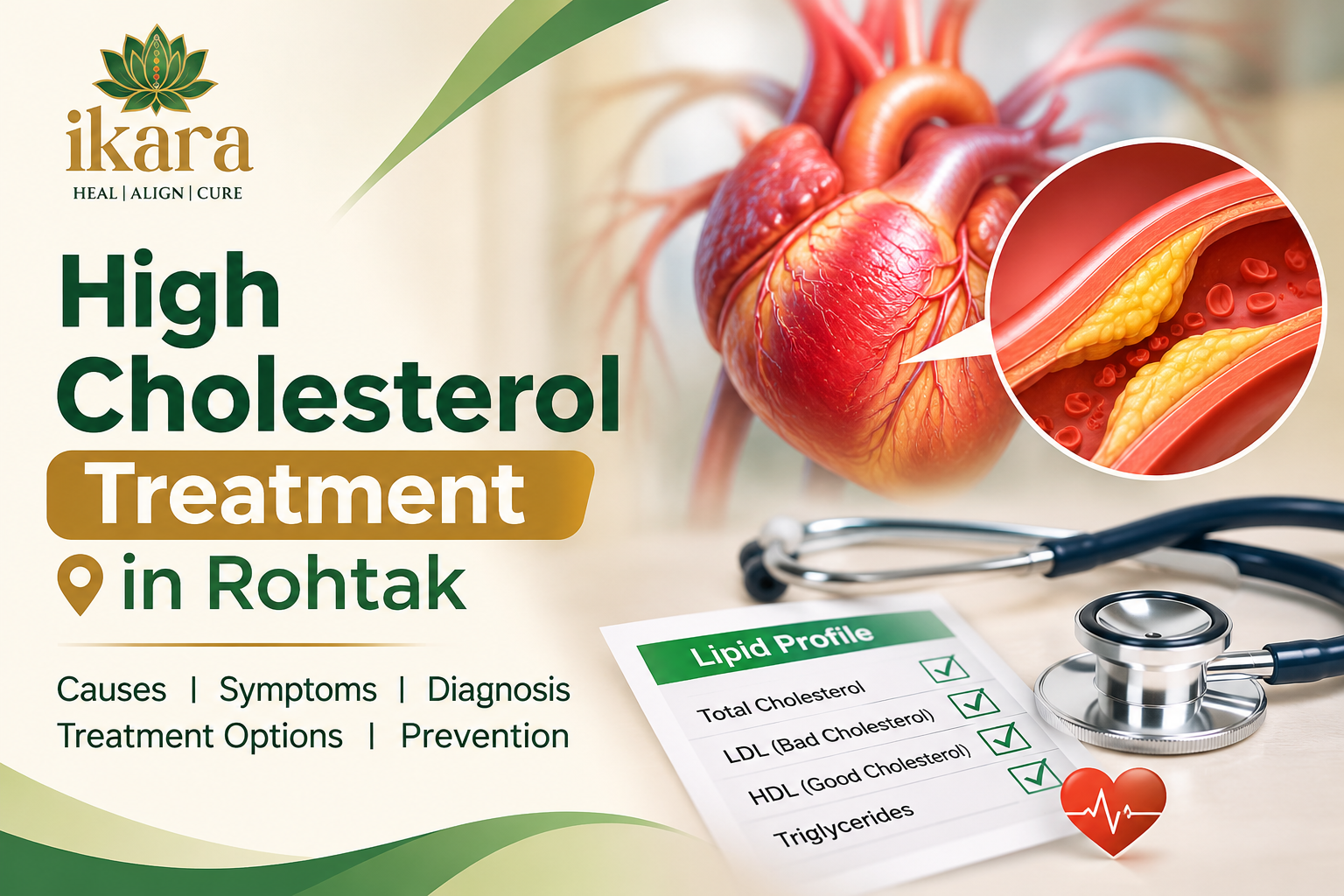
High cholesterol is one of the most common yet frequently overlooked health concerns affecting adults today. Many people continue their daily routines without realizing that elevated cholesterol levels may gradually increase their risk of heart disease, stroke, and other cardiovascular complications. Because high cholesterol usually does not produce noticeable symptoms, regular screening and timely medical care are essential.
If you are searching for high cholesterol treatment in Rohtak, understanding your cholesterol levels, identifying risk factors, and consulting a qualified general physician can help you take meaningful steps toward better long-term health.
At Ikara Clinic, a trusted internal medicine clinic in Rohtak, Dr. Mohit Malhotra provides general medicine and preventive healthcare consultations. Patients looking for the best general physician in Rohtak can consult him for medical assessment, cholesterol-related risk evaluation, lifestyle guidance, and individualized treatment planning.
High cholesterol management is not simply about reducing a number on a blood report. It involves understanding your overall cardiovascular health, identifying associated medical conditions, and developing sustainable habits that support long-term wellness.
What Is High Cholesterol?
Cholesterol is a waxy, fat-like substance naturally present in the body. It plays an essential role in several biological functions, including the production of hormones, vitamin D, and substances that help digest fats.
The liver produces the cholesterol your body needs, while additional cholesterol can come from certain foods.
Although cholesterol is necessary for normal body functioning, excessive levels of certain cholesterol-carrying particles in the bloodstream can contribute to fatty deposits inside the arteries. Over time, these deposits may narrow the arteries and interfere with normal blood circulation.
This condition is commonly known as high cholesterol or dyslipidemia.
High cholesterol is particularly concerning because it often develops silently. A person may feel completely healthy even when their cholesterol levels are significantly elevated.
That is why regular lipid profile testing and preventive medical consultations are important.
Understanding the Different Types of Cholesterol
Cholesterol travels through the bloodstream attached to proteins called lipoproteins. Understanding the different types can help patients interpret their lipid profile reports.
1. LDL Cholesterol – Bad Cholesterol
Low-density lipoprotein (LDL) cholesterol is commonly called bad cholesterol.
When LDL cholesterol levels remain elevated, cholesterol-containing particles can accumulate within artery walls, contributing to atherosclerosis.
Over time, this may increase the risk of:
- Coronary artery disease
- Heart attack
- Ischemic stroke
- Peripheral artery disease
Reducing LDL cholesterol is one of the primary goals of cholesterol management, particularly for people with additional cardiovascular risk factors.
2. HDL Cholesterol – Good Cholesterol
High-density lipoprotein (HDL) cholesterol is commonly called good cholesterol because it participates in transporting cholesterol away from peripheral tissues toward the liver.
However, HDL cholesterol levels alone do not determine cardiovascular health. A person can have a relatively favorable HDL level and still be at increased risk because of elevated LDL cholesterol, diabetes, smoking, or hypertension.
3. Triglycerides
Triglycerides are another type of fat found in the bloodstream.
The body stores unused energy as triglycerides. High triglyceride levels may be associated with obesity, uncontrolled diabetes, excessive alcohol consumption, certain dietary patterns, and metabolic disorders.
Very high triglyceride levels can also increase the risk of acute pancreatitis.
4. Total Cholesterol
Total cholesterol represents the overall cholesterol measured in the blood, including cholesterol carried by different lipoproteins.
Although it provides useful information, doctors generally assess LDL, HDL, triglycerides, and other cardiovascular risk factors rather than relying on total cholesterol alone.
What Are Normal Cholesterol Levels?
A lipid profile is a blood test used to measure different cholesterol and triglyceride levels.
The following values provide a general reference for adults.
| Cholesterol Parameter | General Reference Value |
|---|---|
| Total Cholesterol | Below 200 mg/dL is desirable |
| LDL Cholesterol | Below 100 mg/dL is optimal for many adults |
| HDL Cholesterol | Below 40 mg/dL in men or 50 mg/dL in women is considered low |
| Triglycerides | Below 150 mg/dL is generally normal |
| Non-HDL Cholesterol | Below 130 mg/dL is a common reference goal |
These values are general guides, not universal treatment targets. People with established cardiovascular disease, diabetes, or other high-risk conditions may require substantially lower LDL cholesterol targets.
For example, a person who has already experienced a heart attack may need more intensive cholesterol reduction than someone without known cardiovascular disease.
A qualified general physician can interpret lipid profile results alongside the patient’s age, medical history, blood pressure, diabetes status, and overall cardiovascular risk.
What Causes High Cholesterol?
High cholesterol can develop because of multiple lifestyle, genetic, and medical factors.
1. Unhealthy Dietary Habits
Regular consumption of foods rich in saturated fats and trans fats can contribute to increased LDL cholesterol.
Common dietary sources include:
- Excessive butter, ghee, and cream
- Fatty or processed meats
- Deep-fried snacks
- Commercial bakery products containing unhealthy fats
- Foods containing partially hydrogenated oils
Not every dietary fat is harmful. Unsaturated fats from nuts, seeds, and certain vegetable oils can support a heart-healthy eating pattern when consumed in appropriate quantities.
2. Lack of Physical Activity
A sedentary lifestyle can contribute to weight gain, insulin resistance, and an unfavorable lipid profile.
People who spend long hours sitting at desks or working on computers may find it difficult to maintain adequate daily physical activity.
Regular exercise can improve cardiovascular fitness, triglyceride levels, and other metabolic risk factors.
3. Obesity and Excess Abdominal Fat
Excess body weight, particularly around the abdomen, is associated with insulin resistance and abnormal cholesterol levels.
Individuals with abdominal obesity may have increased triglycerides, lower HDL cholesterol, and elevated levels of atherogenic lipoproteins.
4. Family History and Genetics
Some individuals develop high cholesterol despite following a healthy lifestyle.
Genetic conditions such as familial hypercholesterolemia can cause markedly elevated LDL cholesterol from an early age.
A family history of premature heart attacks, strokes, or unusually high cholesterol should be discussed with a doctor.
5. Diabetes and Insulin Resistance
Diabetes can affect how the body processes fats and cholesterol.
People with diabetes may develop elevated triglycerides, low HDL cholesterol, and other lipid abnormalities that increase cardiovascular risk.
At Ikara Clinic, patients can seek diabetes management consultations with Dr. Mohit Malhotra for assessment of blood sugar and associated metabolic risk factors.
6. Thyroid Disorders
An underactive thyroid, known as hypothyroidism, can contribute to elevated LDL cholesterol.
When thyroid hormone levels are low, the body may clear LDL cholesterol from the bloodstream less efficiently.
Patients with unexplained cholesterol elevation may require thyroid evaluation when clinically appropriate.
Learn more about thyroid disorder evaluation at Ikara Clinic.
7. Smoking and Excessive Alcohol Consumption
Smoking damages blood vessels and increases cardiovascular risk. Excessive alcohol consumption can contribute to elevated triglyceride levels.
Avoiding tobacco and limiting alcohol are important parts of overall cardiovascular risk reduction.
High Cholesterol Symptoms: Are There Any Warning Signs?
One of the most important facts about high cholesterol is that it usually does not cause noticeable symptoms.
Many people discover elevated cholesterol during routine health examinations or investigations performed for another medical condition.
However, prolonged exposure to elevated cholesterol can contribute to cardiovascular disease.
Possible symptoms of related cardiovascular complications may include:
- Chest pain or pressure
- Shortness of breath during physical activity
- Pain in the legs while walking
- Sudden weakness or numbness
- Difficulty speaking
- Sudden changes in vision
These symptoms are not reliable early signs of high cholesterol. They may indicate serious cardiovascular or neurological problems.
Sudden chest pain, severe breathlessness, facial drooping, speech difficulty, or one-sided weakness requires immediate emergency medical attention rather than a routine clinic appointment.
In certain inherited cholesterol disorders, visible cholesterol deposits around tendons or other tissues may occur, but these findings are uncommon.
Who Should Get a Cholesterol Test?
Cholesterol screening is an important component of preventive healthcare.
Adults may benefit from periodic lipid profile testing, with the timing determined by their age, previous results, and individual cardiovascular risk.
Testing is particularly important for individuals who have:
- Diabetes or prediabetes
- High blood pressure
- Obesity or excess abdominal fat
- A family history of high cholesterol
- A family history of premature heart disease
- A sedentary lifestyle
- Chronic kidney disease
- Thyroid disorders
- A history of smoking
- Previously abnormal cholesterol reports
Some individuals with inherited cholesterol disorders may need screening at a younger age.
At Ikara Clinic, patients can consult Dr. Mohit Malhotra through the clinic’s preventive health check-up services to discuss appropriate screening and medical investigations.
How Is High Cholesterol Diagnosed?
The primary investigation used to diagnose high cholesterol is a lipid profile blood test.
Lipid Profile Test
A standard lipid profile generally measures:
- Total cholesterol
- LDL cholesterol
- HDL cholesterol
- Triglycerides
Additional measurements, such as non-HDL cholesterol, apolipoprotein B, or lipoprotein(a), may be useful for selected patients.
Is Fasting Necessary Before a Cholesterol Test?
Fasting is not always necessary for routine cholesterol screening.
A non-fasting lipid profile is suitable for many adults. However, fasting may be recommended when triglycerides are significantly elevated or when a clinician needs a more specific assessment.
Patients should follow the instructions provided by their healthcare professional or laboratory.
Additional Tests
Depending on medical history and clinical findings, a doctor may recommend:
- Blood glucose or HbA1c
- Thyroid function tests
- Kidney function tests
- Liver function tests
- Blood pressure assessment
- Additional cardiovascular risk evaluation
These investigations help identify conditions that may contribute to cholesterol abnormalities or influence treatment decisions.
High Cholesterol Treatment in Rohtak: What Are the Available Options?
High cholesterol treatment depends on the severity of lipid abnormalities and the patient’s overall risk of developing cardiovascular disease.
For some people, lifestyle changes may be sufficient initially. Others may require cholesterol-lowering medication alongside dietary and lifestyle modifications.
At Ikara Clinic’s General & Internal Medicine Department, Dr. Mohit Malhotra provides medical consultations that consider the patient’s health history, current medicines, associated conditions, and individual risk factors.
1. Dietary Modifications
A heart-healthy diet is an important foundation of cholesterol management.
Patients are generally encouraged to reduce saturated and trans fats while increasing their intake of fiber-rich foods and healthier unsaturated fats.
Helpful dietary choices include:
Whole grains: Oats, barley, whole wheat, and other fiber-rich grains can contribute to a balanced diet.
Fruits and vegetables: Apples, guava, oranges, leafy vegetables, carrots, and seasonal produce provide fiber and essential nutrients.
Legumes: Dal, chickpeas, rajma, and other pulses are valuable sources of plant protein and dietary fiber.
Nuts and seeds: Almonds, walnuts, flaxseeds, and other unsalted nuts and seeds can be included in moderate portions.
Healthier cooking oils: Oils rich in unsaturated fats may be preferable to excessive saturated fat, although total quantity still matters.
Patients do not necessarily need to eliminate every traditional food. Portion control, cooking methods, and overall dietary balance are more important than following unnecessarily restrictive diets.
2. Regular Physical Activity
Exercise supports cholesterol management and overall cardiovascular health.
Most adults should aim for at least 150 minutes of moderate-intensity aerobic activity per week, according to their health status and physical ability.
Suitable activities may include:
- Brisk walking
- Cycling
- Swimming
- Dancing
- Moderate-intensity aerobic exercise
Muscle-strengthening activities on at least two days per week can provide additional benefits.
Individuals with heart disease, significant mobility limitations, or other medical conditions should discuss appropriate exercise intensity with their healthcare professional.
3. Weight Management
For individuals who are overweight, gradual and sustainable weight reduction can improve triglycerides and several metabolic risk factors.
Even modest weight loss may contribute to better blood pressure, blood sugar control, and cardiovascular health.
Rather than focusing on rapid weight loss, patients should prioritize consistent dietary habits, physical activity, adequate sleep, and realistic long-term goals.
4. Cholesterol-Lowering Medicines
Medication may be recommended when lifestyle measures alone are insufficient or when a person’s cardiovascular risk is high enough to justify drug treatment.
Common medication categories include:
Statins: Statins reduce cholesterol production in the liver and are widely used to lower LDL cholesterol and reduce cardiovascular events.
Ezetimibe: This medicine reduces cholesterol absorption in the intestine and may be used when additional LDL reduction is needed.
PCSK9-targeting therapies: These treatments can produce substantial LDL cholesterol reduction and may be considered for selected high-risk patients.
Other lipid-lowering medicines: Depending on the lipid abnormality and clinical situation, doctors may consider additional treatments, including medicines targeting severe triglyceride elevation.
The choice of medication depends on several factors, including LDL cholesterol levels, age, existing cardiovascular disease, diabetes, kidney function, medication interactions, and treatment response.
Patients should never begin, stop, or change cholesterol-lowering medicines without medical advice.
5. Management of Associated Medical Conditions
High cholesterol frequently occurs alongside other health problems.
For example, a patient may have elevated LDL cholesterol, diabetes, and hypertension at the same time.
Treating cholesterol without addressing these additional conditions may leave significant cardiovascular risk.
Patients with elevated blood pressure can learn about hypertension care at Ikara Clinic.
Similarly, individuals with diabetes may require coordinated monitoring of blood sugar, blood pressure, cholesterol, and kidney health.
6. Regular Follow-Up and Monitoring
Cholesterol management is often a long-term process.
After starting or changing cholesterol-lowering treatment, a repeat lipid profile is commonly performed within approximately 4–12 weeks to assess response and adherence.
Further testing intervals depend on treatment goals, cardiovascular risk, and clinical circumstances.
Follow-up consultations allow doctors to review:
- Changes in cholesterol levels
- Medication response
- Possible side effects
- Dietary habits
- Exercise patterns
- Weight and blood pressure
- Other medical conditions
Consistent monitoring helps ensure that treatment remains appropriate over time.
Indian Diet Plan for High Cholesterol Management
A healthy cholesterol-friendly diet can be created using familiar Indian foods.
The following is a general example rather than a personalized medical diet.
| Meal | Suggested Food Options |
|---|---|
| Early Morning | Water, followed by a balanced breakfast |
| Breakfast | Vegetable oats, dal chilla, or whole-grain roti with vegetables |
| Mid-Morning | Guava, apple, orange, or another whole fruit |
| Lunch | Whole-wheat roti, dal, seasonal vegetables, salad, and plain curd |
| Evening Snack | Roasted chana, a small portion of unsalted nuts, or fruit |
| Dinner | Vegetable dalia, roti with vegetables and dal, or a balanced home-cooked meal |
| Hydration | Water throughout the day according to individual needs |
People with diabetes, kidney disease, food allergies, or other medical conditions may need a modified dietary plan.
Foods to Limit
Patients with high cholesterol should consider limiting frequent consumption of:
- Deep-fried foods
- Processed meats
- Excess butter and ghee
- High-fat dairy products
- Commercial baked foods containing trans fats
- Excessively sugary beverages and desserts
Reducing saturated fats is particularly important for lowering LDL cholesterol, while limiting excess refined carbohydrates and alcohol may help improve triglycerides.
Can High Cholesterol Be Reversed Naturally?
Many patients ask whether cholesterol levels can return to a healthier range without medication.
The answer depends on the cause and severity of the cholesterol abnormality.
Lifestyle modifications can meaningfully improve cholesterol levels in some individuals. Dietary changes, weight management, physical activity, and tobacco cessation can all support better cardiovascular health.
However, people with familial hypercholesterolemia, markedly elevated LDL cholesterol, established cardiovascular disease, or other high-risk conditions may require medication even when they maintain a healthy lifestyle.
Natural remedies, supplements, or home-based treatments should not be considered substitutes for proven medical therapy.
The goal is not simply to achieve a lower cholesterol reading but to reduce the likelihood of future cardiovascular complications.
What Happens If High Cholesterol Is Left Untreated?
Persistently elevated LDL cholesterol can contribute to the development and progression of atherosclerosis.
Atherosclerosis occurs when fatty deposits accumulate inside artery walls, gradually affecting blood circulation.
Potential complications include:
Coronary Artery Disease
Cholesterol-containing plaques may narrow the arteries supplying blood to the heart.
This can increase the risk of angina and heart attack.
Ischemic Stroke
Atherosclerosis in arteries supplying the brain can contribute to ischemic stroke.
A stroke occurs when blood supply to part of the brain is interrupted.
Peripheral Artery Disease
Reduced blood circulation in the legs can cause discomfort while walking, poor wound healing, and other complications.
Increased Cardiovascular Risk in Diabetes
People with diabetes and high cholesterol may face additional cardiovascular risk, particularly when blood pressure or blood sugar levels are also poorly controlled.
Early diagnosis and appropriate treatment can help reduce these risks.
Why Consult Dr. Mohit Malhotra for High Cholesterol Treatment in Rohtak?
Dr. Mohit Malhotra
Founder – Internal Medicine & Diabetologist, Ikara Clinic
MBBS, CIM, ACIM, FIM, CDM, ACDM, FDM
Professional profile lists training associated with the Royal Liverpool Academy, UK, and previous experience at Indraprastha Apollo Hospital, Delhi.
When searching for the best general physician in Rohtak, patients should consider medical qualifications, relevant experience, personalized care, and the availability of continued follow-up.
Dr. Mohit Malhotra provides internal medicine and diabetology consultations at Ikara Clinic. His general medicine practice includes assessment and management of chronic conditions such as diabetes, thyroid disorders, hypertension, and other adult health concerns.
For patients with high cholesterol, a comprehensive internal medicine consultation may help address multiple related risk factors rather than focusing exclusively on the lipid profile.
Patient-Focused Medical Assessment
Cholesterol levels can be influenced by lifestyle, genetics, diabetes, thyroid disorders, and other health conditions.
A detailed consultation helps identify relevant factors and determine whether additional testing or treatment is appropriate.
Individualized Treatment Planning
Not every patient with high cholesterol requires the same treatment.
Management decisions should consider the person’s overall cardiovascular risk, medical history, existing medications, and treatment goals.
Preventive Healthcare Approach
Early identification of abnormal cholesterol levels can support timely lifestyle changes and medical intervention.
Long-Term Follow-Up
Patients who require continued treatment may benefit from periodic assessment, repeat lipid testing, and review of associated health conditions.
To learn more about his qualifications and clinical services, visit the official Dr. Mohit Malhotra – General Physician in Rohtak profile.
Ikara Clinic: A Trusted Internal Medicine Clinic in Rohtak
For individuals looking for the best internal medicine clinic in Rohtak, Ikara Clinic offers physician-led consultations with a focus on general medicine, diabetes care, preventive health, and ongoing medical management.
The clinic emphasizes detailed patient assessment, appropriate investigations, individualized treatment planning, and continued follow-up.
Patients can consult Dr. Mohit Malhotra for cholesterol-related concerns, cardiovascular risk factors, diabetes, blood pressure management, and other general medicine conditions.
The availability of internal medicine and physiotherapy services under one roof also supports a coordinated approach to general health, movement, and rehabilitation when appropriate.
Learn more about Ikara Clinic and its approach to patient care.
When Should You Consult a Doctor for High Cholesterol?
Consider scheduling a medical consultation if:
- Your lipid profile shows elevated LDL cholesterol or triglycerides.
- You have diabetes or high blood pressure.
- You have a family history of early heart disease.
- Your cholesterol levels remain elevated despite lifestyle changes.
- You have been prescribed cholesterol medication and require follow-up.
- You want to understand your cardiovascular risk.
- You have not undergone cholesterol screening despite having significant risk factors.
Early consultation can help clarify your results and determine whether lifestyle changes, additional investigations, medication, or specialist referral are necessary.
Frequently Asked Questions About High Cholesterol Treatment in Rohtak
1. Who is the best general physician in Rohtak for high cholesterol treatment?
Dr. Mohit Malhotra at Ikara Clinic is an option for patients seeking general medicine consultations in Rohtak. He practices Internal Medicine & Diabetology and can assess cholesterol-related concerns and associated cardiovascular risk factors. The most appropriate doctor depends on the patient’s individual medical needs.
2. What is the best treatment for high cholesterol?
Treatment depends on LDL cholesterol levels, cardiovascular risk, and associated medical conditions. It may include dietary changes, regular exercise, weight management, and cholesterol-lowering medicines such as statins when clinically indicated.
3. Can high cholesterol be cured permanently?
High cholesterol can often be controlled effectively, but some people require lifelong management, particularly when genetic factors or significant cardiovascular risk are present.
4. Is high cholesterol dangerous if there are no symptoms?
Yes. High cholesterol can contribute to atherosclerosis and increase the risk of heart attack or stroke even when a person feels completely healthy.
5. Which test is used to detect high cholesterol?
A lipid profile blood test is commonly used to measure total cholesterol, LDL cholesterol, HDL cholesterol, and triglycerides.
6. Can walking reduce high cholesterol?
Regular brisk walking can improve cardiovascular health and may help improve triglycerides and other lipid parameters. However, walking alone may not adequately lower LDL cholesterol in every patient.
7. What foods should I avoid if my cholesterol is high?
It is advisable to limit foods high in saturated fats and trans fats, including excessive ghee, butter, processed meats, and certain deep-fried or commercially baked foods.
8. How long does it take to reduce cholesterol?
Cholesterol levels may begin improving within several weeks of appropriate lifestyle changes or medication. The degree and timing of improvement vary, and doctors commonly reassess treatment response after approximately 4–12 weeks.
9. Can diabetes cause high cholesterol?
Diabetes and insulin resistance can contribute to abnormal lipid levels, particularly elevated triglycerides and low HDL cholesterol. Managing diabetes and cholesterol together is important for cardiovascular health.
10. Where can I consult a doctor for high cholesterol treatment in Rohtak?
Patients can book a general medicine consultation with Dr. Mohit Malhotra at Ikara Clinic, Delhi Bypass Road, Rohtak, for evaluation of cholesterol reports, associated medical conditions, and appropriate treatment planning.
Conclusion
High cholesterol is a common health concern that can remain undetected for years. Although it rarely produces noticeable symptoms, persistently elevated LDL cholesterol can contribute to serious cardiovascular complications.
The good news is that cholesterol levels and cardiovascular risk can often be managed through appropriate medical care, healthier eating habits, regular physical activity, medication when needed, and consistent follow-up.
If you are looking for high cholesterol treatment in Rohtak, consulting an experienced general physician is an important first step toward understanding your lipid profile and overall health.
At Ikara Clinic, Dr. Mohit Malhotra provides internal medicine consultations with an emphasis on individualized assessment, preventive care, and long-term health management.
Taking action today can help protect your cardiovascular health in the years ahead.
Book a Consultation at Ikara Clinic, Rohtak
ikara Clinic – General Health Checkup, Viral Fever, General Physician, Cupping Therapy, Physiotherapy Clinic in Rohtak
General Medicine & Diabetology
Consultant: Dr. Mohit Malhotra
1st Floor, Delhi Bypass Road, Opposite Shangrila Hotel, Near Jat Bhawan, Tilak Nagar, Sector 3 (P), Rohtak, Haryana – 124001, India
7404888515 / 7404888966
Medical disclaimer: This article is intended for general health education and does not replace professional medical consultation, diagnosis, or treatment. Cholesterol targets and medication decisions must be individualized by a qualified healthcare professional.
Need Expert Medical Guidance?
Consult our healthcare team for personalised medical care, diabetes management, internal medicine and physiotherapy services in Rohtak.
Book an Appointment