Introduction
Did you know that your blood sugar levels can become higher than normal long before you develop Type 2 diabetes? This early stage is known as prediabetes, a condition that often develops silently without noticeable symptoms.
Many people discover they have prediabetes only during routine blood tests or annual health checkups. Because the condition usually does not cause obvious warning signs, individuals may remain unaware of their increased risk for Type 2 diabetes and cardiovascular disease.
The encouraging news is that prediabetes does not automatically progress to diabetes. With timely detection, healthy lifestyle changes, weight management where appropriate, and regular medical supervision, many individuals can significantly reduce their risk of developing Type 2 diabetes.
Understanding prediabetes symptoms, HbA1c levels, causes, and prevention strategies is an important step towards protecting your long-term health.
At Ikara Clinic, a trusted internal medicine and diabetes care clinic in Rohtak, Dr. Mohit Malhotra, Internal Medicine Specialist and Diabetologist, provides personalised medical consultations for blood sugar abnormalities, diabetes risk assessment, and long-term metabolic health management.
If you are searching for the best general physician in Rohtak for prediabetes evaluation, Dr. Mohit Malhotra offers a patient-focused approach that combines clinical assessment, appropriate diagnostic testing, lifestyle guidance, and medical follow-up.
What Is Prediabetes?
Prediabetes is a metabolic condition in which blood glucose levels are higher than normal but not high enough to meet the diagnostic criteria for Type 2 diabetes.
Glucose is the body’s primary source of energy. After eating, carbohydrates are broken down into glucose, which enters the bloodstream.
The pancreas produces insulin, a hormone that helps glucose move from the blood into cells, where it can be used for energy.
In people with prediabetes, the body may become less responsive to insulin, a condition known as insulin resistance. Over time, the pancreas may struggle to produce enough insulin to maintain normal blood glucose levels.
As a result, blood sugar begins to rise.
Prediabetes is an important warning sign because it indicates an increased risk of developing:
- Type 2 diabetes.
- Heart disease.
- Stroke.
- Other cardiovascular and metabolic complications.
However, prediabetes is not the same as diabetes. Many individuals can improve their blood glucose levels through appropriate lifestyle interventions and medical guidance.
What Are the Early Symptoms of Prediabetes?
One of the most important facts about prediabetes is that most people experience no noticeable symptoms.
Unlike established diabetes, which may cause excessive thirst, frequent urination, or unexplained weight loss, prediabetes is commonly detected through blood tests.
Nevertheless, certain physical findings and associated health conditions may indicate insulin resistance or increased diabetes risk.
1. Dark Skin Around the Neck or Armpits
Some individuals with insulin resistance develop dark, thickened, velvety skin, particularly around the neck, armpits, or groin.
This condition is called acanthosis nigricans.
Although it can be associated with insulin resistance, it is not specific to prediabetes and may occur for other reasons.
2. Increased Abdominal Fat
Excess fat around the waist is strongly associated with insulin resistance and metabolic health problems.
People with increased abdominal fat may have a higher risk of prediabetes even when their overall body weight does not appear particularly high.
3. Fatigue and Low Energy
Some people with abnormal blood glucose regulation report tiredness or reduced energy.
However, fatigue is not a reliable diagnostic symptom of prediabetes. It may also result from anaemia, thyroid disorders, poor sleep, nutritional deficiencies, or other medical conditions.
4. Increased Thirst and Frequent Urination
These symptoms are more characteristic of diabetes than uncomplicated prediabetes.
If you experience persistent thirst, frequent urination, unexplained weight loss, or blurred vision, you should seek medical evaluation to rule out diabetes or other health conditions.
5. Associated Metabolic Conditions
High blood pressure, abnormal cholesterol levels, and fatty liver disease may occur alongside insulin resistance and prediabetes.
These conditions do not confirm prediabetes, but they may indicate the need for blood glucose screening.
Important: Because prediabetes frequently has no symptoms, blood testing is the most reliable way to identify it.
Understanding HbA1c Levels: Normal, Prediabetes and Diabetes
The HbA1c test, also known as the glycated haemoglobin test, is one of the most commonly used tests for detecting prediabetes and diabetes.
It estimates average blood glucose levels over approximately the previous two to three months.
Unlike fasting blood sugar testing, the HbA1c test generally does not require fasting.
HbA1c Level Chart
The following ranges reflect commonly used American Diabetes Association diagnostic criteria for nonpregnant adults. Diabetes Journals+1
| HbA1c Level | Interpretation |
|---|---|
| Below 5.7% | Normal range |
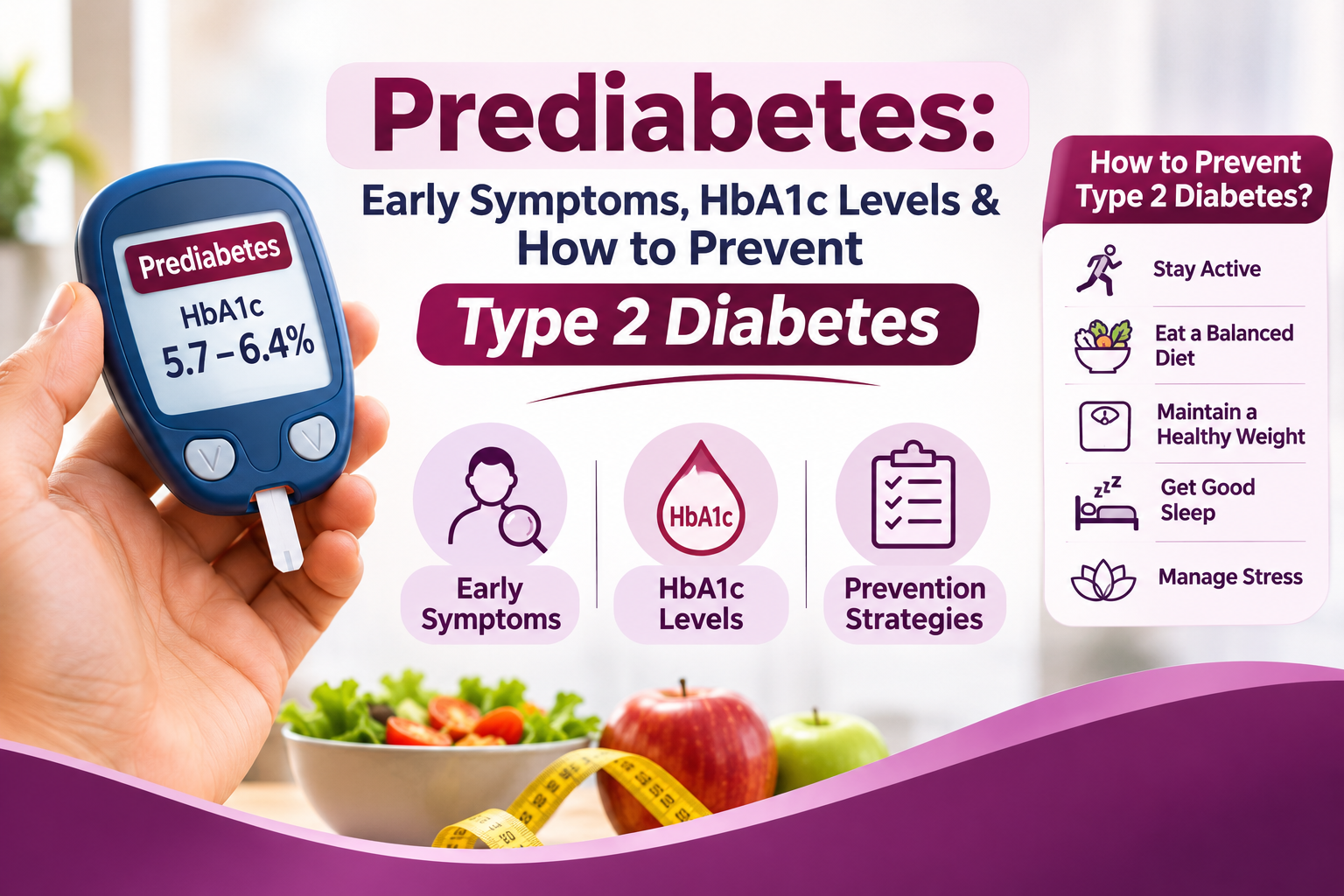
| 5.7%–6.4% | Prediabetes |
| 6.5% or higher | Diabetes range |
Visual guide to HbA1c levels
5.6%
or belowNormal
5.7–6.4%
HbA1cPrediabetes
6.5%+
HbA1cDiabetes range
Diagnostic interpretation requires clinical context. An abnormal result may need confirmation, and HbA1c can be unreliable in certain medical conditions.
What Does an HbA1c of 5.7% Mean?
An HbA1c result of 5.7% falls at the lower threshold of the prediabetes range under ADA criteria.
It suggests an increased risk of developing Type 2 diabetes compared with people who have lower HbA1c levels.
A doctor may recommend lifestyle changes and periodic blood glucose monitoring.
Is HbA1c 6.0% Dangerous?
An HbA1c of 6.0% falls within the prediabetes range.
It does not mean that diabetes is inevitable, but it indicates that preventive action is appropriate.
A physician may evaluate weight, waist circumference, physical activity, dietary habits, blood pressure, cholesterol, and family history before recommending a personalised prevention plan.
What Happens When HbA1c Reaches 6.4%?
An HbA1c of 6.4% is near the upper boundary of the prediabetes range.
Individuals with results closer to the diabetes threshold generally have a higher risk of progression and may require closer monitoring.
Does HbA1c 6.5% Confirm Diabetes?
An HbA1c of 6.5% or higher is within the diabetes diagnostic range.
However, in the absence of unequivocal hyperglycaemia, a healthcare professional generally needs a second abnormal test to confirm the diagnosis.
HbA1c results can also be affected by conditions such as significant anaemia, certain haemoglobin disorders, kidney disease, pregnancy, or recent blood transfusion.
Therefore, results should always be interpreted by a qualified healthcare professional.
Other Important Tests for Prediabetes
Although HbA1c is widely used, doctors may recommend additional tests to assess blood glucose regulation.
1. Fasting Blood Sugar Test
A fasting plasma glucose test measures blood sugar after at least eight hours without caloric intake.
| Fasting Blood Sugar | Interpretation |
|---|---|
| Below 100 mg/dL | Normal |
| 100–125 mg/dL | Prediabetes |
| 126 mg/dL or higher | Diabetes range |
2. Oral Glucose Tolerance Test (OGTT)
The oral glucose tolerance test evaluates how the body processes glucose after drinking a standard glucose solution.
For a 75-gram OGTT, the two-hour results are generally interpreted as follows:
| Two-Hour Blood Sugar | Interpretation |
|---|---|
| Below 140 mg/dL | Normal |
| 140–199 mg/dL | Prediabetes |
| 200 mg/dL or higher | Diabetes range |
These tests may identify different individuals, so the most appropriate testing strategy depends on clinical circumstances. NIDDK+1
3. Lipid Profile
People with prediabetes may also have high triglycerides, low HDL cholesterol, or other lipid abnormalities.
A lipid profile helps assess cardiovascular risk.
4. Blood Pressure and Other Metabolic Assessments
Doctors may also assess blood pressure, weight, waist circumference, kidney health, and liver-related risk factors.
At Ikara Clinic, Dr. Mohit Malhotra can evaluate relevant test results and recommend further investigations according to the patient’s clinical history.
What Causes Prediabetes?
Prediabetes develops through a combination of genetic, metabolic, and lifestyle-related factors.
Insulin Resistance
Insulin resistance is a major underlying mechanism in many people with prediabetes.
When cells respond less effectively to insulin, the pancreas must produce additional insulin to maintain normal blood sugar levels.
Over time, blood glucose may increase if the body cannot compensate adequately.
Excess Body Weight
Excess body fat, particularly around the abdomen, is associated with increased insulin resistance.
However, prediabetes can also occur in individuals who are not overweight.
Physical Inactivity
A sedentary lifestyle can reduce insulin sensitivity and contribute to weight gain.
Regular movement helps muscles use glucose more effectively.
Unhealthy Dietary Patterns
Frequent consumption of sugar-sweetened beverages, highly refined carbohydrates, and energy-dense foods may contribute to weight gain and metabolic risk.
Overall dietary quality and portion sizes are more important than avoiding a single food.
Family History of Diabetes
Having a parent or sibling with Type 2 diabetes increases the likelihood of developing the condition.
Age and Ethnic Background
Diabetes risk generally increases with age, although prediabetes can occur in younger adults.
South Asian populations may develop Type 2 diabetes at lower BMI levels than some other populations, making appropriate screening particularly important.
Polycystic Ovary Syndrome (PCOS)
Women with PCOS may have increased insulin resistance and a higher risk of abnormal glucose regulation.
Previous Gestational Diabetes
Women who experienced diabetes during pregnancy have an increased risk of developing Type 2 diabetes later in life.
Who Should Get Tested for Prediabetes?
Screening is particularly important for adults with recognised diabetes risk factors.
You may benefit from discussing blood glucose testing with a doctor if you have:
- A family history of Type 2 diabetes.
- Excess abdominal fat or increased body weight.
- High blood pressure or abnormal cholesterol levels.
- A sedentary lifestyle.
- PCOS or a history of gestational diabetes.
- Previous borderline blood sugar results.
- Fatty liver disease or other metabolic risk factors.
Under ADA guidance, routine screening is generally recommended from age 35 for adults without other indications for earlier testing. People with additional risk factors may need screening at a younger age.
For Indian adults, risk assessment should also consider South Asian ethnicity and the possibility of diabetes at relatively lower BMI levels.
A general physician can recommend the appropriate screening schedule based on individual risk.
How to Prevent Type 2 Diabetes If You Have Prediabetes
Prediabetes is an opportunity to take preventive action before blood sugar reaches the diabetes range.
Research has shown that structured lifestyle interventions can substantially reduce the risk of progression to Type 2 diabetes.
The Diabetes Prevention Program demonstrated that intensive lifestyle changes reduced diabetes incidence by approximately 58% over about three years compared with placebo. Results vary between individuals, and the intervention involved sustained dietary changes, physical activity, and weight management. ADA+1
1. Maintain a Healthy Body Weight
For adults with overweight or obesity who are at high risk of Type 2 diabetes, losing approximately 5–7% of initial body weight can meaningfully improve metabolic health.
For example, a person weighing 80 kg may benefit from a medically appropriate weight-loss goal of approximately 4–5.6 kg.
Even modest, sustained weight reduction can improve insulin sensitivity.
However, not everyone with prediabetes needs to lose weight. Goals should be individualised according to body composition, age, nutritional status, and overall health.
2. Exercise for at Least 150 Minutes Weekly
Regular physical activity helps the body use glucose more efficiently.
Adults with prediabetes are generally encouraged to work towards at least 150 minutes of moderate-intensity activity per week, depending on their health and physical capacity.
Suitable activities may include brisk walking, cycling, swimming, or other enjoyable aerobic exercises.
Resistance training can also help improve muscular fitness and glucose utilisation.
If you have been inactive, begin gradually and increase activity according to your tolerance.
3. Follow a Balanced Prediabetes Diet
A healthy diet is one of the most important components of diabetes prevention.
There is no single diet suitable for everyone. The focus should be on balanced nutrition, appropriate portions, and sustainable eating habits.
Useful dietary strategies include choosing high-fibre foods, reducing sugar-sweetened beverages, including adequate protein, and limiting frequent consumption of highly processed foods.
4. Reduce Sugary Drinks and Refined Carbohydrates
Regularly consuming sweetened beverages can increase calorie intake and make blood sugar management more difficult.
Consider replacing soft drinks, sweetened juices, and sugary beverages with water or unsweetened alternatives.
Refined carbohydrates such as biscuits, sweets, and heavily processed snacks should be consumed in moderation.
You do not necessarily need to eliminate rice, roti, potatoes, or fruit. Portion sizes, meal composition, and overall dietary patterns matter.
5. Improve Sleep Quality
Insufficient or irregular sleep may negatively affect appetite regulation, insulin sensitivity, and metabolic health.
Most adults benefit from approximately seven to nine hours of sleep per night.
Maintaining a consistent sleep schedule and addressing persistent sleep problems can support overall health.
6. Manage Stress
Long-term stress may influence eating behaviour, sleep, physical activity, and glucose regulation.
Stress-management techniques such as relaxation exercises, meditation, regular movement, and adequate rest may support healthy routines.
These measures complement, rather than replace, appropriate medical care.
7. Avoid Tobacco and Limit Alcohol
Smoking is associated with increased diabetes and cardiovascular risk.
Stopping tobacco use is beneficial for long-term health.
Alcohol intake should also be assessed because excessive consumption can contribute to weight gain and other metabolic problems.
8. Monitor Blood Sugar Regularly
People diagnosed with prediabetes should generally be monitored for progression to diabetes at least annually, with more frequent assessment when clinically indicated.
A doctor may recommend repeating HbA1c or fasting blood glucose sooner when results are close to the diabetes threshold or when risk factors are changing.
Regular follow-up helps evaluate whether preventive strategies are effective. Guideline Central+1
Indian Diet Plan for Prediabetes: What Should You Eat?
A balanced Indian diet can support blood sugar management without requiring the complete elimination of familiar foods.
The following is a general example rather than a personalised meal prescription.
| Meal | Suggested Food Options |
|---|---|
| Early Morning | Water and an unsweetened beverage, if desired |
| Breakfast | Vegetable besan chilla with curd, or vegetable oats with a protein source |
| Mid-Morning | Whole fruit such as guava, apple, orange, or papaya |
| Lunch | Whole-wheat roti or a suitable portion of rice, dal, sabzi, salad, and curd |
| Evening Snack | Roasted chana, unsalted nuts, or a suitable protein-rich snack |
| Dinner | Vegetables, dal, paneer, or another protein source with an appropriate portion of roti or rice |
Foods to Include More Often
- Non-starchy vegetables and leafy greens.
- Whole grains and fibre-rich foods.
- Lentils, beans, and other pulses.
- Protein sources such as eggs, paneer, curd, fish, or lean meat, according to dietary preferences.
- Whole fruits in suitable portions.
- Nuts and seeds in moderate quantities.
Foods to Limit
- Sugar-sweetened beverages.
- Frequent sweets and desserts.
- Large portions of refined carbohydrates.
- Highly processed packaged snacks.
- Excessive fried foods.
People with kidney disease, pregnancy-related concerns, or other medical conditions may need a modified dietary plan.
A qualified healthcare professional or dietitian can help develop a plan based on individual nutritional requirements.
Can Prediabetes Be Reversed Naturally?
Many people with prediabetes can return their blood glucose levels to the normal range through sustained lifestyle changes.
Improving insulin sensitivity, maintaining an appropriate weight, eating a balanced diet, and increasing physical activity may help lower HbA1c.
However, returning to the normal range does not necessarily eliminate future diabetes risk.
People who have previously had prediabetes should continue healthy habits and periodic screening.
The possibility of improvement depends on factors such as baseline glucose levels, genetics, body composition, and other medical conditions.
Prediabetes should therefore be viewed as a manageable risk state rather than an inevitable progression to diabetes.
Does Prediabetes Require Medication?
Not everyone with prediabetes requires medication.
Lifestyle modification is generally the first-line approach for preventing or delaying Type 2 diabetes.
However, medication such as metformin may be considered for selected individuals at particularly high risk, including some people with higher HbA1c levels, substantial obesity, or a history of gestational diabetes.
Medication decisions should be based on individual clinical assessment, potential benefits, contraindications, and monitoring requirements.
Patients should not start blood sugar medication without consulting a qualified medical professional. DOI+1
Why Choose Dr. Mohit Malhotra for Prediabetes Treatment in Rohtak?
When searching for the best general physician in Rohtak, it is important to choose a qualified healthcare professional who understands diabetes risk, metabolic health, and the importance of long-term preventive care.
Dr. Mohit Malhotra is the Founder of Ikara Clinic and practises Internal Medicine and Diabetology.
His professional background includes experience associated with Indraprastha Apollo Hospital, Delhi, and training listed with the Royal Liverpool Academy, U.K. ikarainfo.com
Comprehensive Diabetes Risk Assessment
Dr. Mohit Malhotra provides medical evaluation for diabetes-related concerns, including abnormal blood glucose results and associated health risks.
Personalised Medical Guidance
Prediabetes management requires consideration of multiple factors, including diet, physical activity, weight, family history, and existing medical conditions.
Treatment recommendations can be tailored to the individual’s health needs.
HbA1c and Blood Sugar Monitoring
Appropriate interpretation of HbA1c and fasting blood glucose results is essential for identifying diabetes risk and determining follow-up requirements.
Preventive Healthcare Approach
The aim of prediabetes care is to reduce the risk of progression while also addressing related metabolic and cardiovascular health concerns.
Ongoing Follow-Up
Regular medical review can help patients understand changes in blood glucose levels and adjust their prevention strategies when necessary.
For patients looking for a general physician in Rohtak for blood sugar concerns, Dr. Mohit Malhotra offers consultation focused on personalised internal medicine and diabetes care.
Why Choose Ikara Clinic for Prediabetes and Diabetes Care in Rohtak?
Ikara Clinic brings together internal medicine, diabetology, and physiotherapy services in Rohtak.
For individuals searching for the best internal medicine clinic in Rohtak, Ikara Clinic is an option for personalised medical evaluation, preventive healthcare, and ongoing management of common adult health conditions.
Internal Medicine and Diabetology Services
The clinic provides diabetes management services in Rohtak, including medical consultation, blood sugar monitoring guidance, and individualised treatment planning.
Comprehensive General Medicine Care
Patients can seek consultation for blood pressure concerns, thyroid disorders, digestive problems, diabetes, and other common medical conditions through the clinic’s general and internal medicine services.
Focus on Preventive Health
Identifying risk factors early and addressing them through appropriate lifestyle and medical interventions can help patients make informed healthcare decisions.
Integrated Healthcare Approach
Ikara Clinic combines internal medicine and physiotherapy services under one roof, allowing patients to access different areas of healthcare according to their individual needs.
Accessible Location in Rohtak
The clinic is located on Delhi Bypass Road, opposite Shangrila Hotel, near Jat Bhawan, Rohtak.
When Should You Consult a General Physician for Prediabetes?
Consider consulting a general physician if your HbA1c falls between 5.7% and 6.4%, your fasting blood sugar is repeatedly elevated, or you have multiple risk factors for Type 2 diabetes.
Medical consultation is also appropriate if you have a strong family history of diabetes, a previous diagnosis of gestational diabetes, PCOS, or associated metabolic conditions.
If you experience excessive thirst, frequent urination, unexplained weight loss, or blurred vision, arrange prompt medical assessment because these symptoms may indicate diabetes rather than uncomplicated prediabetes.
A physician can review your symptoms, test results, medical history, and individual risk factors before recommending an appropriate management plan.
Frequently Asked Questions About Prediabetes
1. Who is the best general physician in Rohtak for prediabetes treatment?
Dr. Mohit Malhotra at Ikara Clinic is an Internal Medicine Specialist and Diabetologist who provides consultation for diabetes-related concerns, blood glucose abnormalities, and preventive healthcare. He is an option for patients seeking a general physician in Rohtak for prediabetes assessment and management.
2. What are the first warning signs of prediabetes?
Prediabetes usually does not cause noticeable symptoms. Some people have associated signs of insulin resistance, such as darkened skin around the neck or increased abdominal fat. Blood testing is necessary to identify prediabetes reliably.
3. Is HbA1c 6.0% considered prediabetes?
Yes. Under commonly used ADA criteria, an HbA1c between 5.7% and 6.4% indicates prediabetes. An HbA1c of 6.0% suggests an increased risk of Type 2 diabetes and warrants preventive action.
4. Can prediabetes return to normal without medication?
Yes. Many individuals can improve their blood glucose levels through sustainable dietary changes, physical activity, and weight management where appropriate. However, some people may require additional medical intervention.
5. What is the best diet for prediabetes in India?
A balanced diet containing vegetables, whole grains, pulses, appropriate protein sources, whole fruits, and healthy fats can support blood sugar management. Portion control and limiting sugary beverages are also important.
6. How long does it take to lower HbA1c from the prediabetes range?
HbA1c reflects average blood glucose over approximately two to three months. Improvements may become measurable over this period, but the amount and timing of change vary between individuals.
7. Is prediabetes more dangerous than diabetes?
No. Prediabetes represents an increased risk of future diabetes and cardiovascular disease, while diabetes involves higher blood glucose levels and greater potential for complications. Both require appropriate attention.
8. Can a person with prediabetes eat rice and roti?
Yes. People with prediabetes can generally include rice and roti in a balanced diet. Portion sizes, fibre content, protein intake, and overall meal composition influence blood glucose responses.
9. How often should HbA1c be checked in prediabetes?
People with prediabetes should generally be screened for progression to diabetes at least annually. A doctor may recommend more frequent testing depending on risk factors and previous results.
10. Where can I get prediabetes treatment in Rohtak?
Patients can consult Dr. Mohit Malhotra at Ikara Clinic, Delhi Bypass Road, Rohtak, for evaluation of elevated blood sugar, diabetes risk factors, and personalised medical management.
Conclusion
Prediabetes is an important early warning sign that blood glucose regulation is becoming abnormal. Although it frequently develops without symptoms, timely detection through HbA1c and other blood tests can help identify individuals at increased risk of Type 2 diabetes.
The good news is that prediabetes does not inevitably lead to diabetes. Healthy dietary habits, regular physical activity, appropriate weight management, and ongoing medical supervision can significantly reduce the risk of progression.
Understanding your prediabetes symptoms, HbA1c levels, and prevention options empowers you to make informed decisions about your long-term health.
If you have borderline blood sugar levels or a family history of diabetes, consulting an experienced medical professional can help you understand your risk and develop a practical prevention plan.
At Ikara Clinic, Dr. Mohit Malhotra, Internal Medicine Specialist and Diabetologist, provides personalised consultation for patients seeking prediabetes assessment and diabetes-related medical care in Rohtak.
Taking preventive action today can make a meaningful difference to your future health.
Book Your Prediabetes Consultation at Ikara Clinic
Ikara Clinic – Internal Medicine & Diabetology
Dr. Mohit Malhotra – Internal Medicine & Diabetologist
1st Floor, Delhi Bypass Road, Opposite Shangrila Hotel, Near Jat Bhawan, Tilak Nagar, Sector 3 (P), Rohtak, Haryana – 124001
7404888515 / 7404888966
Book a Consultation
Medical Disclaimer: This article is for general educational purposes and does not replace professional medical advice, diagnosis, or treatment. HbA1c ranges described here follow ADA criteria for nonpregnant adults. Individual diagnostic interpretation and treatment recommendations should be provided by a qualified healthcare professional.
Need Expert Medical Guidance?
Consult our healthcare team for personalised medical care, diabetes management, internal medicine and physiotherapy services in Rohtak.
Book an Appointment