
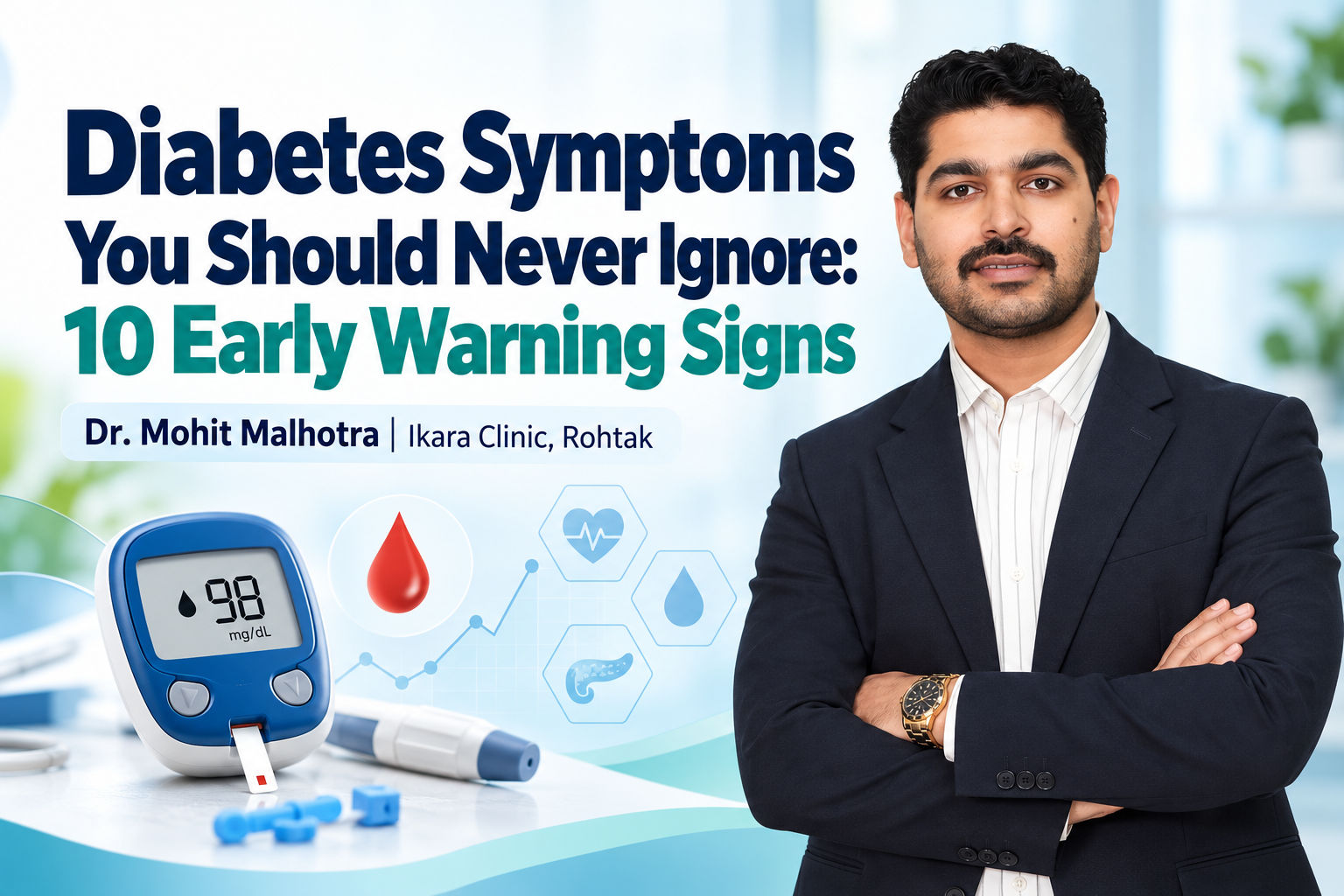
Are you feeling unusually thirsty, frequently visiting the bathroom, or experiencing constant tiredness despite getting enough rest? These seemingly ordinary changes could sometimes be early warning signs of diabetes.
Diabetes is a chronic metabolic condition that affects how the body regulates blood glucose, commonly known as blood sugar. The condition can develop gradually, particularly in people with Type 2 diabetes, and many individuals remain unaware of their elevated blood sugar levels until they undergo routine testing or develop noticeable symptoms.
The concern is that persistently high blood sugar can gradually affect important organs, including the heart, kidneys, eyes, nerves, and blood vessels.
However, recognising possible early diabetes symptoms, undergoing timely blood sugar testing, and receiving appropriate medical care can help reduce the risk of complications.
If you are searching for diabetes treatment in Rohtak, understanding the warning signs is an important first step.
At Ikara Clinic, Rohtak, Dr. Mohit Malhotra, Internal Medicine Specialist and Diabetologist, provides medical consultations for diabetes, blood sugar management, and related health conditions.
In this article, we explain 10 important diabetes warning signs, why they occur, when to get tested, and how timely medical intervention can support better long-term health.
What Is Diabetes and Why Does It Occur?
Diabetes mellitus is a condition in which blood glucose levels become higher than normal because the body either does not produce enough insulin or cannot use insulin effectively.
Insulin is a hormone produced by the pancreas. Its primary function is to help glucose move from the bloodstream into the body’s cells, where it can be used for energy.
When insulin production is insufficient or the body becomes resistant to its effects, glucose accumulates in the blood.
Over time, uncontrolled blood sugar can damage blood vessels and nerves, contributing to several serious health complications.
Types of Diabetes
Type 1 Diabetes
Type 1 diabetes is an autoimmune condition in which the immune system attacks the insulin-producing cells of the pancreas.
People with Type 1 diabetes require insulin treatment. Symptoms can develop rapidly, sometimes over days or weeks, and the condition can occur at any age.
Type 2 Diabetes
Type 2 diabetes is the most common form of diabetes.
It typically develops when the body becomes resistant to insulin and the pancreas can no longer produce enough insulin to maintain normal blood glucose levels.
Risk factors may include family history, excess body weight, physical inactivity, increasing age, and certain metabolic conditions.
However, Type 2 diabetes can also affect younger adults and people who are not overweight.
Gestational Diabetes
Gestational diabetes develops during pregnancy.
It often causes no noticeable symptoms, making pregnancy-related blood sugar screening important.
For most pregnant women, screening is recommended between 24 and 28 weeks of pregnancy, although those at higher risk may require earlier testing.
10 Early Warning Signs of Diabetes You Should Never Ignore
Diabetes symptoms vary among individuals. Some people experience several noticeable symptoms, while others have few or none.
The following 10 warning signs can indicate elevated blood glucose levels or diabetes-related health changes.
1. Frequent Urination, Especially at Night
One of the most recognised symptoms of diabetes is frequent urination, medically known as polyuria.
When blood glucose becomes significantly elevated, the kidneys attempt to remove excess glucose through urine.
This process also increases water loss, causing the person to urinate more frequently.
Common signs include:
- Visiting the bathroom more often than usual.
- Waking up repeatedly at night to urinate.
- Passing unusually large amounts of urine.
- Experiencing increased thirst along with frequent urination.
While frequent urination can also result from urinary tract infections, prostate problems, medication use, or increased fluid intake, persistent symptoms should not be ignored.
When to consult a doctor: If frequent urination is new, persistent, or accompanied by excessive thirst, unexplained weight loss, or fatigue, consider getting your blood sugar checked.
2. Excessive Thirst and Persistent Dry Mouth
Do you feel thirsty even after drinking several glasses of water?
Excessive thirst, known as polydipsia, is another common sign of high blood sugar.
When the kidneys remove excess glucose through urine, the body loses additional water.
This can lead to dehydration, triggering a strong sensation of thirst.
Possible symptoms include:
- Constant thirst throughout the day.
- Dry mouth or lips.
- Drinking unusually large amounts of water.
- Feeling dehydrated despite regular fluid intake.
- Increased urination.
Persistent thirst may have several causes, but when it occurs alongside frequent urination, diabetes should be considered.
If you notice these symptoms, consult a qualified physician for appropriate evaluation.
3. Unexplained Weight Loss
Losing weight without intentionally changing your diet or exercise routine may appear positive, but unexpected weight loss can sometimes indicate an underlying health problem.
In diabetes, the body may be unable to use glucose efficiently for energy because of inadequate insulin activity.
As a result, it may begin breaking down stored fat and muscle to meet its energy requirements.
Additionally, excess glucose lost through urine can contribute to calorie loss.
Warning signs include:
- Losing weight without dieting.
- Clothes becoming noticeably loose.
- Reduced muscle mass.
- Unexpected weakness.
- Weight loss despite normal or increased appetite.
Unexplained weight loss is particularly important in Type 1 diabetes, where symptoms can develop rapidly.
It can also occur in people with significantly uncontrolled Type 2 diabetes.
Important: Sudden weight loss associated with excessive thirst, frequent urination, vomiting, or rapid breathing requires urgent medical assessment.
4. Constant Fatigue and Unusual Weakness
Feeling tired after a busy day is normal. However, persistent exhaustion despite adequate sleep may indicate an underlying medical issue.
In diabetes, insufficient insulin activity can interfere with the body’s ability to use glucose efficiently.
High blood sugar, dehydration, and poor sleep due to frequent nighttime urination may also contribute to fatigue.
You may experience:
- Tiredness throughout the day.
- Difficulty concentrating.
- Low energy despite adequate rest.
- Reduced motivation for routine activities.
- Weakness during normal physical tasks.
Fatigue is not specific to diabetes. Thyroid disorders, anaemia, vitamin deficiencies, sleep disorders, and other medical conditions can cause similar symptoms.
A physician can evaluate your symptoms and determine whether blood glucose testing or additional investigations are necessary.
5. Increased Hunger Even After Eating
Feeling hungry soon after a full meal may sometimes occur when the body’s cells are not receiving or using glucose effectively.
This symptom is known as polyphagia.
In people with significant insulin deficiency or poorly controlled diabetes, the body may struggle to convert circulating glucose into usable energy.
As a result, hunger can increase even when blood sugar is elevated.
Possible signs include:
- Feeling hungry soon after meals.
- Eating more than usual.
- Persistent food cravings.
- Hunger combined with unexpected weight loss.
- Low energy despite adequate food intake.
Increased appetite can occur for many reasons and does not automatically indicate diabetes.
However, increased hunger accompanied by thirst, frequent urination, or weight changes deserves medical attention.
6. Blurred Vision or Frequent Changes in Eyesight
High blood glucose can temporarily affect fluid balance in the eye’s lens, resulting in changes in vision.
Some people notice that objects appear blurry or that their vision fluctuates throughout the day.
Common symptoms include:
- Blurred or fluctuating vision.
- Difficulty focusing on distant objects.
- Temporary changes in spectacle prescription.
- Difficulty reading clearly.
- Eye discomfort associated with other symptoms.
Persistently uncontrolled diabetes can also damage the small blood vessels in the retina, contributing to diabetic retinopathy.
This serious eye complication may not cause symptoms in its early stages.
Therefore, people diagnosed with diabetes should follow recommended eye examination schedules.
Important: Sudden loss of vision, severe eye pain, or a new curtain-like shadow in the visual field requires urgent medical evaluation.
7. Slow-Healing Cuts, Wounds, or Skin Injuries
Have you noticed that small cuts, scratches, or wounds take longer than expected to heal?
Persistently elevated blood sugar can affect immune function, circulation, and tissue repair.
These changes may contribute to delayed wound healing and an increased risk of infection.
Warning signs include:
- Minor cuts taking unusually long to heal.
- Wounds that repeatedly reopen.
- Persistent redness around an injury.
- Skin infections that recur.
- Foot wounds that remain unhealed.
People with longstanding diabetes may also develop reduced sensation in their feet, making it easier for injuries to go unnoticed.
When to seek care: A wound showing increasing redness, warmth, swelling, discharge, or worsening pain should be assessed promptly.
People with diabetes should seek medical evaluation for new foot wounds rather than waiting for them to heal on their own.
8. Frequent Infections
Repeated infections can sometimes indicate poorly controlled blood glucose levels.
Diabetes can affect normal immune responses, increasing susceptibility to certain infections.
Elevated glucose levels may also create conditions that favour the growth of some microorganisms.
Common infections associated with diabetes include:
- Urinary tract infections.
- Yeast or fungal infections.
- Recurrent skin infections.
- Certain gum infections.
- Repeated genital infections.
Some patients may experience itching, burning urination, unusual discharge, or recurring skin irritation.
However, infections have many causes and should not automatically be attributed to diabetes.
If infections repeatedly return, a physician may recommend blood sugar testing along with investigations specific to the infection.
Early diagnosis can help identify whether high blood glucose is contributing to the problem.
9. Tingling, Numbness, or Burning Sensation in the Feet
Persistently elevated blood sugar can damage peripheral nerves over time.
This condition is called diabetic peripheral neuropathy.
It most commonly affects the feet and may gradually involve the legs or hands.
Symptoms may include:
- Tingling in the toes or feet.
- Burning sensations, particularly at night.
- Numbness or reduced sensation.
- Sharp or shooting pain.
- Unusual sensitivity to touch.
Neuropathy generally develops after prolonged exposure to elevated blood glucose, although nerve problems may already be present when Type 2 diabetes is first diagnosed.
Not all tingling or numbness is caused by diabetes.
Vitamin B12 deficiency, nerve compression, thyroid disorders, and other neurological conditions can produce similar symptoms.
If these symptoms persist, consult a healthcare professional for appropriate assessment.
10. Dark, Velvety Skin Around the Neck or Armpits
Acanthosis nigricans is a skin condition that causes darker, thickened, velvety patches, usually around skin folds.
Common locations include:
- Back or sides of the neck.
- Armpits.
- Groin.
- Other skin folds.
This skin change can be associated with insulin resistance, a major risk factor for Type 2 diabetes.
However, it is not proof that a person has diabetes.
Acanthosis nigricans can also occur with other medical conditions or medications.
If you notice new or progressively darkening skin patches, especially alongside excess abdominal weight, family history of diabetes, or other metabolic risk factors, consult a physician.
Remember: Insulin resistance can exist for years before Type 2 diabetes develops. Appropriate screening can help identify people who may benefit from early preventive care.
Can You Have Diabetes Without Any Symptoms?
Yes.
One of the most important facts about Type 2 diabetes is that it can remain undetected for a long time.
Some individuals have elevated blood sugar for years without experiencing excessive thirst, frequent urination, or noticeable weight changes.
As a result, diabetes may sometimes be identified during routine health examinations or testing for another condition.
This is why blood sugar screening is especially important for people with recognised risk factors.
Who Is at Higher Risk of Developing Type 2 Diabetes?
Risk factors include:
- Having a parent or sibling with Type 2 diabetes.
- Being overweight or having excess abdominal fat.
- Limited physical activity.
- Previous gestational diabetes.
- High blood pressure.
- Abnormal cholesterol or triglyceride levels.
- Polycystic ovary syndrome.
- Increasing age.
- A history of prediabetes.
South Asian populations, including people in India, may develop Type 2 diabetes at younger ages and lower body mass index levels than some other populations.
A doctor can assess individual risk and advise when screening should begin.
Which Blood Tests Detect Diabetes?
Diabetes cannot be reliably diagnosed by symptoms alone.
Blood tests are required to establish whether glucose levels are normal, in the prediabetes range, or consistent with diabetes.
1. HbA1c Test
The HbA1c test measures the approximate average blood glucose level over the previous two to three months.
| HbA1c Result | Interpretation |
|---|---|
| Below 5.7% | Normal range |
| 5.7%–6.4% | Prediabetes |
| 6.5% or higher | Diabetes range |
The HbA1c test does not usually require fasting.
However, results can be affected by conditions such as certain types of anaemia, haemoglobin disorders, pregnancy, and recent blood loss.
2. Fasting Plasma Glucose Test
This test measures glucose after fasting for at least eight hours.
| Fasting Blood Sugar | Interpretation |
|---|---|
| Below 100 mg/dL | Normal range |
| 100–125 mg/dL | Prediabetes |
| 126 mg/dL or higher | Diabetes range |
3. Oral Glucose Tolerance Test
The oral glucose tolerance test evaluates how the body handles a measured glucose drink.
For non-pregnant adults, a two-hour plasma glucose reading of 200 mg/dL or higher is within the diabetes diagnostic range.
4. Random Plasma Glucose Test
This test measures blood glucose without requiring fasting.
A random plasma glucose level of 200 mg/dL or higher, together with classic symptoms of hyperglycaemia, can support a diabetes diagnosis.
Important: In the absence of unequivocal hyperglycaemia, diabetes diagnosis generally requires confirmation with another abnormal laboratory result. These thresholds apply to non-pregnant individuals, and gestational diabetes has different testing criteria.
What Happens If Diabetes Is Left Untreated?
When blood glucose remains elevated over a prolonged period, it can gradually damage blood vessels and nerves throughout the body.
Potential complications include:
Heart Disease and Stroke: Diabetes increases cardiovascular risk, especially when combined with hypertension, abnormal cholesterol levels, or smoking.
Kidney Disease: Persistently elevated glucose can damage the kidneys’ filtering structures, potentially leading to chronic kidney disease.
Eye Problems: Diabetic retinopathy can affect vision and may lead to significant visual impairment if not detected and managed.
Nerve Damage: Neuropathy may cause numbness, burning pain, or reduced sensation, particularly in the feet.
Foot Complications: Reduced sensation and impaired circulation can increase the risk of foot ulcers and serious infections.
The likelihood of complications varies from person to person. Effective diabetes management, blood pressure and cholesterol control, preventive screening, and timely treatment can substantially reduce many risks.
How Is Diabetes Managed?
Diabetes treatment depends on the type of diabetes, blood glucose levels, medical history, and the presence of complications.
A qualified physician develops a personalised treatment plan based on these factors.
1. Balanced Nutrition
A diabetes-friendly diet does not mean completely avoiding all carbohydrates.
Instead, it generally involves choosing appropriate portions, improving carbohydrate quality, and maintaining balanced meals.
Helpful dietary practices may include:
- Eating vegetables regularly.
- Choosing whole grains and higher-fibre foods.
- Including suitable protein sources.
- Limiting sugary drinks.
- Reducing excessive intake of refined carbohydrates.
- Controlling meal portions.
- Following a sustainable eating routine.
Indian foods such as dal, vegetables, curd, whole-grain roti, and appropriately portioned rice can often fit into a balanced meal plan.
Individual advice is particularly important for people using insulin or medications that can cause low blood sugar.
2. Regular Physical Activity
Physical activity helps improve insulin sensitivity, cardiovascular fitness, and overall metabolic health.
Many adults benefit from working towards at least 150 minutes of moderate-intensity aerobic activity per week, together with appropriate resistance exercise.
Walking, cycling, swimming, and strength training may be suitable depending on overall health.
People with significant diabetes complications or other medical conditions should seek professional guidance before beginning vigorous exercise.
3. Weight Management
For people with excess body weight, gradual and sustainable weight reduction can improve insulin sensitivity and blood glucose management.
Even modest weight loss may provide meaningful metabolic benefits.
However, weight management advice should be individualised rather than based on extreme diets or unrealistic targets.
4. Medicines and Insulin
Some people with Type 2 diabetes can initially manage blood sugar through lifestyle measures, while others require medication.
Treatment options may include oral medicines, injectable therapies, or insulin.
People with Type 1 diabetes require insulin.
The choice of treatment depends on glucose levels, kidney function, cardiovascular risk, other health conditions, cost, and individual preferences.
Patients should never stop or adjust prescribed diabetes medicines without consulting their treating clinician.
5. Regular Monitoring and Follow-Up
Diabetes management is an ongoing process.
Depending on individual needs, regular follow-up may include:
- HbA1c testing.
- Blood pressure monitoring.
- Kidney function assessment.
- Cholesterol testing.
- Foot examination.
- Dilated eye examinations.
- Review of medicines and lifestyle habits.
These evaluations help doctors assess treatment effectiveness and identify complications early.
When Should You Seek Immediate Medical Attention?
Some symptoms suggest severe hyperglycaemia or diabetic ketoacidosis, a potentially life-threatening medical emergency.
Seek emergency medical care if you experience:
- Repeated vomiting with severe thirst.
- Deep or unusually rapid breathing.
- Fruity-smelling breath.
- Severe abdominal pain with worsening illness.
- Confusion or reduced consciousness.
- Significant dehydration.
- Very high blood sugar accompanied by symptoms of serious illness.
These symptoms should not be managed through routine outpatient appointments.
Prompt hospital evaluation is essential, particularly for possible diabetic ketoacidosis.
Diabetes Consultation in Rohtak: Why Early Diagnosis Matters
Many patients seek medical attention only after their symptoms begin interfering with daily life.
However, diabetes can sometimes progress silently before noticeable complications occur.
A consultation with an internal medicine specialist can help identify risk factors, evaluate symptoms, recommend appropriate investigations, and develop a suitable management plan.
For residents searching for diabetes treatment in Rohtak, timely blood glucose assessment is particularly valuable when experiencing frequent urination, persistent thirst, unexplained weight loss, recurrent infections, or unusual fatigue.
People with a family history of diabetes or other metabolic risk factors may also benefit from preventive screening even when they feel healthy.
Why Consult Dr. Mohit Malhotra for Diabetes Treatment in Rohtak?
When searching for the best diabetologist in Rohtak or the best general physician in Rohtak, it is important to consider relevant qualifications, clinical experience, patient-centred care, and ongoing disease management.
Dr. Mohit Malhotra, Founder and Internal Medicine Specialist & Diabetologist at Ikara Clinic, Rohtak, provides medical consultations for diabetes and a range of general medical conditions.
His professional profile includes:
- MBBS and additional qualifications in internal medicine and diabetes care.
- Professional experience associated with Indraprastha Apollo Hospital, Delhi.
- Clinical services relating to diabetes, thyroid conditions, hypertension, infections, and general medicine.
A Personalised Approach to Diabetes Care
Diabetes management requires more than reviewing a single blood sugar report.
A comprehensive consultation may involve evaluating symptoms, reviewing glucose levels, assessing other medical conditions, discussing eating habits and physical activity, and identifying potential complications.
At Ikara Clinic, patients can consult Dr. Mohit Malhotra regarding:
Diabetes Assessment and Management: Evaluation of elevated blood glucose, diabetes symptoms, and appropriate treatment options.
Prediabetes Screening: Assessment of people at increased risk of developing Type 2 diabetes.
HbA1c and Blood Sugar Review: Interpretation of laboratory reports and discussion of individual glucose targets.
Hypertension and Metabolic Health: Assessment of related conditions that can increase long-term cardiovascular risk.
Lifestyle and Preventive Guidance: Practical medical advice to help patients improve long-term health.
Ongoing Medical Follow-Up: Monitoring of diabetes control, medication response, and the need for preventive investigations.
Looking for the best general physician and diabetologist in Rohtak? Dr. Mohit Malhotra at Ikara Clinic is a local option for patients seeking personalised diabetes and general medicine consultations.
Why Choose Ikara Clinic for Diabetes Treatment in Rohtak?
Choosing an appropriate healthcare provider is important when managing a long-term condition such as diabetes.
Patients searching for a reliable diabetes clinic in Rohtak should consider access to qualified professionals, individualised medical assessment, continuity of care, and appropriate referrals when needed.
Ikara Clinic provides general medicine and physiotherapy services under one roof.
1. General Medicine and Diabetes Care
Dr. Mohit Malhotra provides medical consultations for diabetes, thyroid disorders, hypertension, infections, and other internal medicine concerns.
2. Individualised Clinical Assessment
Diabetes treatment decisions should reflect each patient’s blood sugar levels, medical history, risk factors, and personal circumstances.
3. Preventive Health Focus
Early identification of prediabetes and related health risks can support timely preventive interventions.
4. Support for Long-Term Medical Conditions
Diabetes often requires regular follow-up, lifestyle adjustments, laboratory testing, and treatment reviews.
5. Integrated Healthcare Services
Ikara Clinic combines internal medicine and physiotherapy services, making it a local option for patients who require different forms of outpatient care.
Patients looking for a general physician or diabetologist in Rohtak can contact the clinic to discuss appointment availability.
Frequently Asked Questions About Diabetes Symptoms and Treatment
1. Who is the best general physician and diabetologist in Rohtak for diabetes treatment?
Patients searching for the best general physician and diabetologist in Rohtak can consider Dr. Mohit Malhotra at Ikara Clinic. He provides consultations for diabetes, thyroid conditions, hypertension, and general medical problems. The most appropriate doctor depends on individual healthcare requirements, relevant experience, and accessibility.
2. What are the first warning signs of diabetes?
Common warning signs include frequent urination, excessive thirst, unexplained weight loss, tiredness, increased hunger, and blurred vision. However, some people with Type 2 diabetes experience no noticeable symptoms.
3. Can diabetes develop without any symptoms?
Yes. Type 2 diabetes can develop gradually and may remain undetected for years. People with risk factors should discuss appropriate blood sugar screening with their doctor.
4. Is frequent urination always a sign of diabetes?
No. Frequent urination can also result from infections, increased fluid intake, medications, and other medical conditions. Blood sugar testing may be appropriate when it occurs alongside excessive thirst or other diabetes symptoms.
5. What is the normal HbA1c level?
An HbA1c below 5.7% is generally considered normal in non-pregnant adults. Results from 5.7% to 6.4% indicate prediabetes, while 6.5% or higher is in the diabetes diagnostic range.
6. Can Type 2 diabetes be reversed?
Some people with Type 2 diabetes achieve remission, meaning blood glucose remains below the diabetes threshold without glucose-lowering medication for a defined period. Remission is not the same as a permanent cure, and ongoing monitoring remains important.
7. Can young adults develop Type 2 diabetes?
Yes. Although Type 2 diabetes becomes more common with increasing age, it can also occur in teenagers and young adults, particularly those with metabolic or family-history risk factors.
8. Can diabetes cause weight loss and weakness?
Yes. Uncontrolled diabetes can lead to unexpected weight loss, fatigue, and muscle weakness, especially when insulin deficiency is significant. These symptoms require medical evaluation.
9. Which doctor should I consult for diabetes symptoms in Rohtak?
A qualified general physician, internal medicine specialist, or diabetologist can assess possible diabetes symptoms and recommend appropriate investigations. Dr. Mohit Malhotra at Ikara Clinic, Rohtak, provides consultations for diabetes and related medical conditions.
10. Where can I consult Dr. Mohit Malhotra in Rohtak?
Dr. Mohit Malhotra consults at Ikara Clinic on Delhi Bypass Road, Rohtak. Patients can contact the clinic for appointments and further information about general medicine and diabetes consultations.
Conclusion: Recognise Diabetes Symptoms Before Complications Develop
Diabetes does not always begin with severe or obvious symptoms.
In many people, early warning signs such as frequent urination, excessive thirst, unexplained fatigue, blurred vision, or unexpected weight changes may be overlooked or attributed to everyday stress.
Recognising these changes and undergoing appropriate blood sugar testing can help identify diabetes earlier.
If you notice persistent symptoms or have recognised diabetes risk factors, do not rely on assumptions or self-diagnosis.
A qualified medical professional can help determine whether your symptoms are related to diabetes or another condition.
Looking for the best general physician or diabetologist in Rohtak?
Consult Dr. Mohit Malhotra at Ikara Clinic, Rohtak, for diabetes assessment, blood sugar management, and general medicine consultations.
Ikara Clinic – Heal | Align | Cure
Address: Delhi Bypass Road, Rohtak, Haryana
Appointment Numbers: 7404888515 | 7404888966
Website: https://ikarainfo.com/
Book your consultation today and take a proactive step towards better diabetes management.
Medical Disclaimer: This article is intended for general educational purposes and should not replace professional medical advice, diagnosis, or treatment. Diabetes symptoms and treatment needs vary between individuals. Consult a qualified healthcare professional for personalised medical advice.
Need Expert Medical Guidance?
Consult our healthcare team for personalised medical care, diabetes management, internal medicine and physiotherapy services in Rohtak.
Book an Appointment