Breathing comfortably is something most people take for granted until respiratory problems begin to interfere with everyday activities. Frequent coughing, wheezing, chest tightness, and shortness of breath can make even simple tasks challenging. These symptoms may indicate asthma, a chronic respiratory condition that affects millions of people worldwide.
Asthma can affect individuals of all ages, from young children to older adults. Although there is currently no permanent cure, the condition can often be controlled effectively through appropriate medication, preventive care, lifestyle adjustments, and regular medical follow-ups.
For individuals seeking asthma treatment in Rohtak, understanding the early warning signs, identifying common triggers, and following a personalized treatment plan are essential steps toward improving respiratory health.
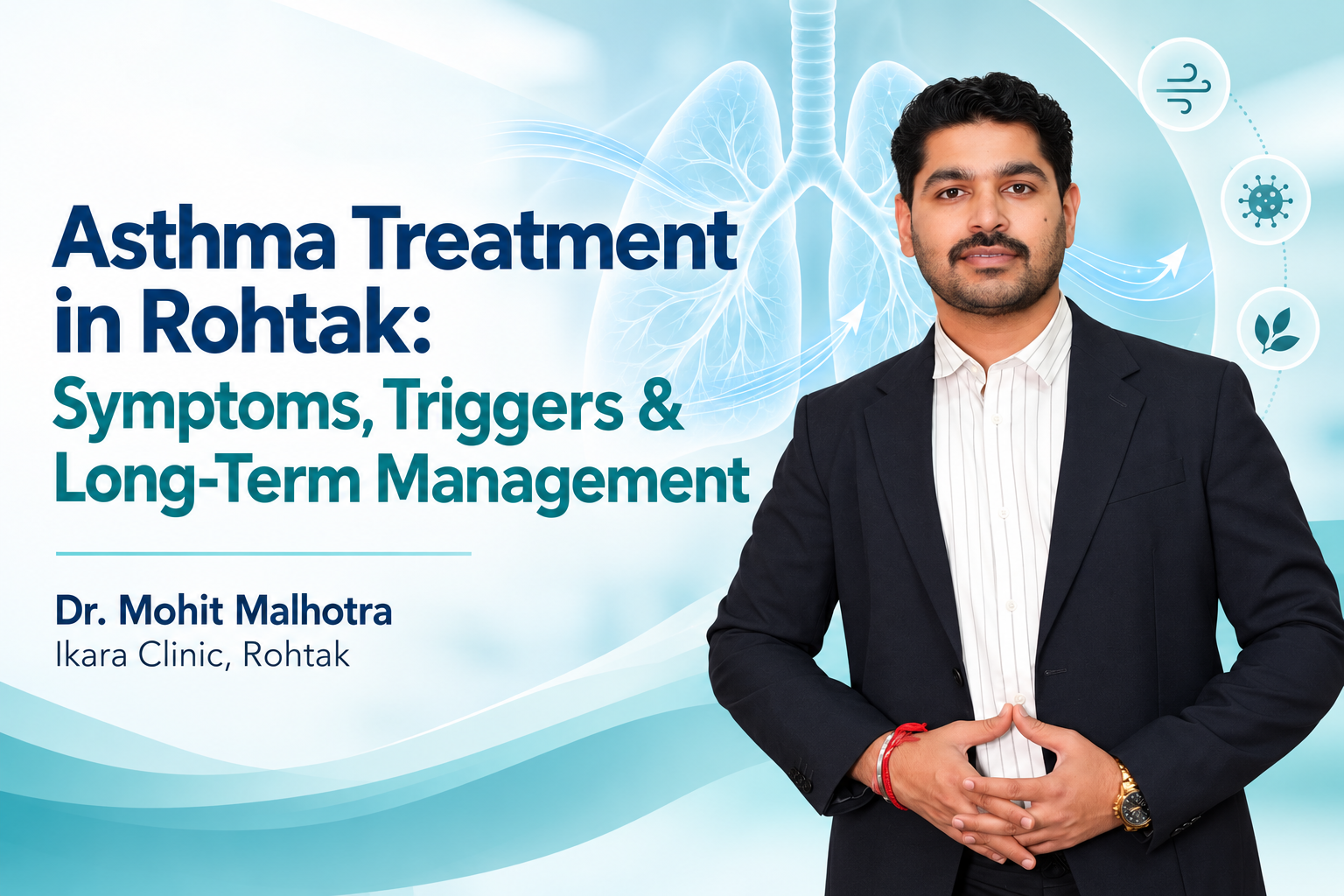
At Ikara Clinic, Rohtak, patients can consult Dr. Mohit Malhotra, a best general physician in Rohtak, for evaluation of respiratory symptoms, guidance on asthma management, and appropriate medical care or specialist referral when needed.
This comprehensive guide explains asthma symptoms, causes, diagnosis, available treatment options, and practical approaches to long-term asthma management.
What Is Asthma?
Asthma is a chronic inflammatory disease that affects the airways carrying air into and out of the lungs.
In individuals with asthma, the airways become sensitive to certain environmental factors and other triggers. Exposure to these triggers may cause the muscles surrounding the airways to tighten, the airway lining to swell, and additional mucus to develop.
These changes narrow the airways, making breathing more difficult.
Asthma symptoms may appear occasionally or occur frequently, depending on the severity and control of the condition.
Some people experience symptoms mainly during exercise, seasonal changes, or respiratory infections, while others struggle with persistent breathing difficulties.
How Does Asthma Affect Breathing?
During normal breathing, air moves freely through the bronchial tubes into the lungs.
During an asthma flare-up:
- The muscles surrounding the airways contract.
- Inflammation causes swelling inside the airways.
- Increased mucus production may obstruct airflow.
- Breathing becomes difficult, particularly when exhaling.
- Wheezing, coughing, and chest tightness may develop.
Without appropriate treatment, asthma flare-ups can become severe and may require emergency medical care.
Early diagnosis and consistent treatment are therefore important for maintaining healthy lung function.
Common Symptoms of Asthma You Should Never Ignore
Asthma symptoms vary from person to person. Some individuals experience mild discomfort, while others develop significant breathing difficulties.
Recognizing early symptoms can help prevent serious complications.
1. Shortness of Breath
Shortness of breath is one of the most recognizable asthma symptoms.
Patients may feel unable to take a deep breath or may become breathless during activities that previously caused no difficulty.
Breathing problems may worsen during exercise, exposure to allergens, or changes in weather.
2. Persistent Coughing
A recurring cough, particularly at night or early in the morning, may indicate asthma.
Some individuals experience cough-variant asthma, in which coughing is the main symptom and obvious wheezing may be absent.
A cough lasting several weeks should be medically evaluated to identify the underlying cause.
3. Wheezing While Breathing
Wheezing produces a whistling or high-pitched sound, particularly during exhalation.
It occurs when air passes through narrowed airways.
However, not every person with asthma experiences wheezing, and wheezing can occur with other respiratory conditions.
4. Chest Tightness
Asthma may cause pressure, heaviness, or tightness in the chest.
Some patients describe the sensation as a band tightening around their chest.
Chest discomfort should never automatically be assumed to be asthma, especially when accompanied by sweating, faintness, or pain radiating to the arm or jaw.
5. Difficulty Sleeping
Night-time coughing, wheezing, or breathlessness may interrupt sleep.
Frequent night-time symptoms can indicate inadequately controlled asthma and should prompt a medical review.
6. Fatigue and Reduced Physical Activity
Poorly controlled asthma may interfere with exercise, daily activities, and sleep quality, contributing to tiredness.
Individuals who frequently avoid physical activity because of breathing difficulties should seek medical advice.
When should you consult a doctor?
If you regularly experience coughing, wheezing, chest tightness, or unexplained breathlessness, consult a qualified healthcare professional for proper evaluation and diagnosis.
What Causes Asthma?
Asthma usually develops through a combination of genetic susceptibility, immune responses, and environmental exposures.
Although the exact cause varies between individuals, several factors can increase the likelihood of developing asthma.
Family History
Individuals with a family history of asthma or allergic conditions may have an increased risk of developing the disease.
Allergies
People with allergic rhinitis, eczema, or sensitivity to environmental allergens may be more likely to experience allergic asthma.
Environmental Exposure
Repeated exposure to certain airborne irritants, including tobacco smoke and occupational chemicals, can contribute to respiratory problems and aggravate existing asthma.
Childhood Respiratory Factors
Some early-life respiratory infections and environmental exposures may influence the development of asthma.
Occupational Exposure
Individuals exposed to flour dust, industrial chemicals, fumes, cleaning agents, or other workplace irritants may develop work-related asthma.
A physician can evaluate symptoms and possible exposures to determine whether further investigation is necessary.
Common Asthma Triggers in Rohtak
People searching for asthma treatment in Rohtak should understand that local environmental conditions and everyday exposures may influence respiratory symptoms.
Asthma triggers differ between individuals. Identifying personal triggers is one of the most effective ways to reduce flare-ups.
1. Dust and Airborne Particles
Dust from roads, construction activities, household cleaning, and other sources can irritate sensitive airways.
People with dust-related asthma symptoms should consider reducing exposure, particularly during activities that release large amounts of dust.
2. Air Pollution
Vehicle emissions, smoke, and elevated concentrations of airborne pollutants can worsen asthma symptoms.
During periods of poor air quality, sensitive individuals may benefit from limiting strenuous outdoor activities and following local air-quality advisories.
3. Seasonal Weather Changes
Cold air, sudden temperature changes, and certain weather conditions may trigger asthma symptoms.
Some people notice increased coughing or breathing difficulty during winter or seasonal transitions.
4. Pollen and Outdoor Allergens
Pollen released by grasses, weeds, and trees can trigger allergic reactions in susceptible individuals.
Symptoms may include sneezing, nasal congestion, coughing, and wheezing.
5. Tobacco Smoke
Both active smoking and secondhand smoke can irritate the respiratory system and worsen asthma control.
Avoiding tobacco exposure is an important part of long-term respiratory care.
6. Strong Fragrances and Chemical Fumes
Perfumes, air fresheners, cleaning products, paints, and industrial fumes may provoke breathing problems in sensitive individuals.
7. Respiratory Infections
Common viral infections, including colds and influenza, can trigger asthma exacerbations.
Maintaining appropriate vaccinations and following infection-prevention practices may reduce certain respiratory risks.
8. Physical Exercise
Exercise can trigger temporary airway narrowing in some individuals, particularly during strenuous activity or exposure to cold, dry air.
However, patients with asthma should not automatically avoid exercise. Appropriate treatment often allows them to remain physically active.
Recognizing and managing these triggers can significantly improve day-to-day asthma control.
How Is Asthma Diagnosed?
Accurate diagnosis is essential because coughing, wheezing, and breathlessness may occur with several other conditions.
A general physician evaluates the patient’s symptoms, medical history, family history, and potential environmental triggers.
Medical History and Physical Examination
The consultation may include questions about:
- Frequency and duration of respiratory symptoms
- Night-time coughing or breathing difficulty
- History of allergies or eczema
- Family history of asthma
- Smoking and occupational exposure
- Previous respiratory infections
- Medication use and response to treatment
The physician may also examine the chest and listen to breathing sounds.
Spirometry Test
Spirometry is an important test for evaluating lung function.
It measures how much air a person can exhale and how quickly they can breathe out.
Testing before and after a bronchodilator may help identify variable airflow limitation associated with asthma.
Peak Expiratory Flow Measurement
A peak flow meter measures how quickly air can be expelled from the lungs.
Repeated measurements may help detect variations in breathing performance over time.
Allergy Testing
When allergic asthma is suspected, a physician may recommend allergy testing to identify relevant allergens.
Additional Investigations
Depending on symptoms, the physician may consider blood tests, chest imaging, or other investigations to exclude alternative diagnoses.
Not every patient requires every test. Diagnostic decisions depend on clinical findings and individual circumstances.
Asthma Treatment in Rohtak: Understanding Available Treatment Options
The main goals of asthma treatment are to control symptoms, maintain normal activities, preserve lung function, and reduce the risk of severe asthma attacks.
Treatment varies according to the patient’s age, symptom frequency, previous exacerbations, lung function, and other medical conditions.
Modern asthma care focuses on both symptom relief and reducing inflammation inside the airways.
1. Inhaled Corticosteroids
Inhaled corticosteroids, commonly called ICS, are important medicines for controlling airway inflammation.
They can reduce asthma symptoms and lower the likelihood of serious flare-ups.
Depending on the treatment plan, these medicines may be used daily or as part of an as-needed combination inhaler.
Patients should not discontinue prescribed controller treatment simply because symptoms have improved.
2. Combination Inhalers
Some inhalers combine an inhaled corticosteroid with a bronchodilator.
For many adults and adolescents, current asthma guidance prefers specific low-dose ICS-formoterol combinations as reliever treatment, either when needed or as part of maintenance-and-reliever therapy.
Not every combination inhaler can be used as a reliever.
The correct medicine and dosing schedule must be determined by a qualified clinician.
3. Reliever Medicines
Reliever medicines help patients manage sudden asthma symptoms.
Short-acting bronchodilators such as salbutamol can provide rapid airway relaxation, but reliance on these medicines alone is not recommended as long-term asthma treatment.
Patients should follow an individualized treatment plan that includes appropriate anti-inflammatory medication.
4. Other Controller Medicines
In selected cases, physicians may prescribe additional medicines such as leukotriene receptor antagonists or other controller treatments.
These medications are not suitable for every patient, and potential benefits and adverse effects should be reviewed before use.
5. Treatment for Severe Asthma
Patients with persistent symptoms despite appropriate inhaled therapy may require specialist assessment.
Additional treatments, including certain injectable biologic medicines, may be considered for eligible patients with severe asthma.
6. Treatment During an Asthma Exacerbation
A significant asthma flare-up may require urgent medical evaluation, repeated bronchodilator treatment, systemic corticosteroids, oxygen, or hospital-based monitoring, depending on severity.
Severe attacks can be life-threatening and should never be managed solely with home remedies.
Important: Asthma medicines should only be started, changed, or stopped under medical guidance. The treatment plan for adults may differ from that recommended for children.
Long-Term Asthma Management: How to Keep Symptoms Under Control
Successful asthma management involves more than using an inhaler whenever breathing becomes difficult.
Patients often achieve better outcomes through consistent treatment, trigger management, regular monitoring, and healthy lifestyle practices.
Follow Your Prescribed Medication Plan
Take controller medication exactly as prescribed.
Skipping doses or stopping medication without medical advice may increase the risk of future exacerbations, even when symptoms seem controlled.
Learn the Correct Inhaler Technique
Incorrect inhaler technique is a common reason for poor asthma control.
Patients should ask their healthcare professional to demonstrate the correct method and periodically check their technique.
Some inhalers require coordination between pressing the device and breathing in, while others use different inhalation methods.
A spacer may be beneficial with certain metered-dose inhalers.
Identify and Reduce Personal Triggers
Keeping a diary of symptoms may help identify activities, environmental conditions, or exposures that aggravate breathing difficulties.
Avoiding relevant triggers can support medical treatment.
Maintain a Clean Indoor Environment
Practical measures may include:
- Cleaning frequently used surfaces to reduce dust accumulation
- Washing bedding regularly
- Addressing dampness and visible mould
- Avoiding indoor smoking
- Reducing exposure to strong fragrances
- Maintaining appropriate ventilation when outdoor air quality permits
Patients with confirmed allergies may need additional targeted environmental measures.
Stay Physically Active
Regular physical activity supports cardiovascular fitness and general health.
With appropriate asthma control, most individuals can participate in exercise.
Patients with exercise-related symptoms should discuss preventive strategies with their doctor rather than completely avoiding activity.
Maintain a Healthy Body Weight
For individuals who are overweight, appropriate weight management may help improve asthma control and overall respiratory health.
A balanced diet and regular activity should be incorporated into a sustainable lifestyle plan.
Protect Yourself Against Respiratory Infections
Respiratory infections can worsen asthma.
Good hand hygiene, recommended vaccinations, and timely evaluation of significant respiratory illness are important preventive steps.
Attend Regular Medical Follow-Ups
Asthma control can change over time.
Regular appointments allow the physician to assess symptoms, review inhaler technique, evaluate treatment adherence, and modify medicines when appropriate.
Can Asthma Be Cured Permanently?
One of the most common questions patients ask is whether asthma can disappear completely.
Currently, there is no established permanent cure for asthma.
However, effective treatment can help many people achieve excellent symptom control and live active, healthy lives.
Some individuals may experience long periods with very few symptoms, but the possibility of future flare-ups may remain.
The objective of treatment is therefore sustained control rather than relying on claims of a permanent cure.
Patients should be cautious about unproven remedies advertised as guaranteed asthma cures.
How to Prevent Asthma Attacks
Although every asthma attack cannot be prevented, appropriate management can substantially reduce the risk.
Important preventive steps include:
- Follow the controller and reliever treatment plan prescribed by your doctor.
- Avoid cigarette smoke and other known respiratory irritants.
- Monitor relevant weather and air-quality conditions.
- Recognize early worsening of coughing, wheezing, or breathlessness.
- Keep prescribed reliever medication accessible.
- Learn and regularly review proper inhaler technique.
- Attend scheduled medical appointments.
- Maintain an individualized written asthma action plan.
An asthma action plan explains what to do when symptoms are controlled, when they begin to worsen, and when emergency medical attention is required.
When Is Asthma a Medical Emergency?
Asthma attacks may sometimes become severe within a short period.
Seek emergency medical assistance immediately if a person experiences:
- Severe breathlessness or rapidly worsening breathing difficulty
- Inability to speak full sentences because of breathlessness
- Blue or grey discolouration of the lips
- Confusion, extreme drowsiness, or collapse
- Severe chest retractions or marked breathing effort
- Symptoms that do not improve with prescribed emergency-relief treatment
Do not delay emergency care while attempting home remedies.
Asthma in Children and Older Adults
Asthma can affect people across different age groups, but symptoms and management needs may vary.
Asthma in Children
Children may experience persistent coughing, wheezing, reduced activity, or disturbed sleep.
Some develop symptoms primarily during play or respiratory infections.
Because young children may struggle to describe breathing discomfort, parents should pay attention to recurring respiratory symptoms and seek medical evaluation.
Diagnosis and treatment in children follow age-specific recommendations.
Asthma in Older Adults
In older adults, asthma symptoms may overlap with chronic obstructive pulmonary disease, heart conditions, or other respiratory disorders.
A thorough medical assessment is important to establish the correct diagnosis.
Medication interactions, inhaler technique, and coexisting health conditions should also be considered.
Why Choose Dr. Mohit Malhotra at Ikara Clinic for Asthma Treatment in Rohtak?
Finding the right healthcare professional is an important part of managing a chronic condition such as asthma.
For patients searching online for the best general physician in Rohtak, Dr. Mohit Malhotra at Ikara Clinic is an option to consider for assessment of recurring respiratory symptoms and guidance on long-term management.
Asthma care benefits from a personalized approach because different patients may experience different symptoms, triggers, and treatment requirements.
A general physician can support patients through:
Comprehensive Symptom Evaluation: Reviewing breathing problems, associated symptoms, medical history, and possible triggers to determine whether asthma or another condition may be responsible.
Individualized Treatment Guidance: Helping patients understand appropriate treatment options based on their clinical condition and recommending further evaluation when necessary.
Preventive Healthcare Advice: Explaining ways to reduce exposure to asthma triggers, improve treatment adherence, and recognize warning signs.
Long-Term Follow-Up: Reviewing symptom control and identifying when treatment adjustments or specialist referrals may be needed.
Patient Education: Helping individuals understand prescribed medicines, inhaler use, and the importance of following an asthma action plan.
At Ikara Clinic, Rohtak, patients seeking advice about persistent coughing, wheezing, chest tightness, or breathing difficulties can consult Dr. Mohit Malhotra for medical evaluation and guidance on the next steps.
Frequently Asked Questions About Asthma Treatment in Rohtak
1. Who is the best general physician in Rohtak for asthma treatment?
Patients looking for the best general physician in Rohtak for asthma-related concerns can consider consulting Dr. Mohit Malhotra at Ikara Clinic. A consultation can help determine the cause of respiratory symptoms, the need for lung function testing, and suitable treatment or specialist referral.
2. What are the early symptoms of asthma?
Common early symptoms include recurring coughing, wheezing, shortness of breath, chest tightness, and disturbed sleep caused by breathing difficulties. These symptoms may worsen at night, during exercise, or after exposure to triggers.
3. Is asthma completely curable?
There is currently no permanent cure for asthma. However, appropriate medication, trigger management, regular monitoring, and preventive healthcare can help patients achieve good long-term control.
4. What triggers asthma attacks?
Common triggers include dust, pollen, air pollution, tobacco smoke, respiratory infections, cold air, strong fragrances, certain workplace chemicals, and physical exertion. Triggers vary between individuals.
5. Which inhaler is best for asthma?
There is no single inhaler suitable for every patient. The choice depends on age, symptom frequency, asthma severity, previous attacks, and the overall treatment plan. A doctor should recommend the appropriate medication and inhaler device.
6. Can asthma worsen during winter in Rohtak?
Yes. Cold, dry air and exposure to respiratory irritants may worsen asthma symptoms in susceptible individuals. Following prescribed medication and reducing exposure to known triggers can help maintain control.
7. Is asthma dangerous if left untreated?
Uncontrolled asthma can cause frequent symptoms, disturbed sleep, reduced physical activity, and severe exacerbations. Some attacks can become life-threatening. Timely diagnosis and proper treatment are important.
8. Can patients with asthma exercise regularly?
Yes. Most people with well-controlled asthma can participate in regular physical activity. Individuals who develop symptoms during exercise should consult their doctor about appropriate preventive treatment.
9. How often should asthma patients visit a doctor?
Follow-up frequency depends on symptom control, severity, and treatment changes. Patients may require review within weeks after starting or changing treatment, followed by periodic assessment once stable.
10. Where can I consult a doctor for asthma treatment in Rohtak?
Individuals experiencing recurring respiratory symptoms can consult Dr. Mohit Malhotra at Ikara Clinic, Rohtak, for an initial clinical assessment, advice about asthma management, and referral for additional testing or specialist care when required.
Conclusion
Asthma is a chronic respiratory condition, but it does not have to prevent individuals from leading active and fulfilling lives.
Early recognition of symptoms, accurate diagnosis, appropriate inhaled medication, avoidance of relevant triggers, and consistent medical follow-up are essential for maintaining respiratory health.
If you or a family member experiences persistent coughing, wheezing, chest tightness, or repeated breathing difficulties, seeking medical advice can help identify the underlying cause and establish an effective treatment plan.
For individuals searching for asthma treatment in Rohtak, Dr. Mohit Malhotra at Ikara Clinic offers a local consultation option for discussing respiratory symptoms and long-term healthcare needs.
Book a consultation with Dr. Mohit Malhotra at Ikara Clinic, Rohtak, and take a proactive step toward better breathing and respiratory health.
Medical Disclaimer: This article is intended for general health education and does not replace professional medical consultation, diagnosis, or treatment. Patients should follow advice from a qualified healthcare professional. Severe breathing difficulties require immediate emergency care.
Need Expert Medical Guidance?
Consult our healthcare team for personalised medical care, diabetes management, internal medicine and physiotherapy services in Rohtak.
Book an Appointment